
 Shopping Guide
 HELP / FAQs


 By onemall
Visit OneMall’s dedicated Japan Trading Cards Topic Page — Pokémon TCG, One Piece TCG, Yu-Gi-Oh! OCG all in one place.
TL;DR
Japan is the primary source for Pokémon TCG, the One Piece Card Game, and Yu-Gi-Oh! OCG, offering superior card stock, exclusive promos, and OCG-only card pools. This guide compares the three, walks through a safe buying workflow, and shows how to import them via OneMall with a flat ¥300 fee and 90 days of free storage after arrival (30 days after consolidation).
- Pokémon TCG (JP) is the largest, most stable market; One Piece is the fastest-rising; Yu-Gi-Oh! OCG is a deep niche with a card pool entirely separate from the Western TCG.
- Japanese printings often mean better print quality, exclusive promo cards, and different rarities than international versions.
- Buy factory-sealed product from reputable sources (Suruga-ya, official stores) to avoid counterfeits and resealed boxes.
- OneMall charges a flat ¥300 service fee per item, gives 90 days free after arrival (30 days after consolidation) after arrival (30 days after consolidation) storage, and lets you consolidate many singles into one shipment.
- US shipments go via DHL or ECMS only (no Japan Post to the US), and the US de minimis exemption is gone — all imports are taxable regardless of value.
As of August 2026, new Scarlet & Violet-era Pokémon sets and fresh One Piece Card Game blocks keep Japanese sealed product in high demand — sourcing early from Japan remains the edge for serious collectors.
Japanese Trading Card Games (TCGs) continue to captivate collectors worldwide, and 2026 is shaping up to be another landmark year. This guide covers the three titans of the Japanese scene — the evergreen Pokémon TCG, the rapidly ascending One Piece Card Game, and the deeply rooted Yu-Gi-Oh! Official Card Game (OCG) — highlighting their key differences and how to import them via OneMall.
The Allure of Japanese TCGs in 2026
Japan’s TCG market is unique, characterized by exclusive releases, distinct card designs, and a passionate collector base that often drives values far beyond their Western counterparts. The sheer volume of new sets, promotional cards, and collector-focused rarities makes Japan an indispensable source for serious enthusiasts.
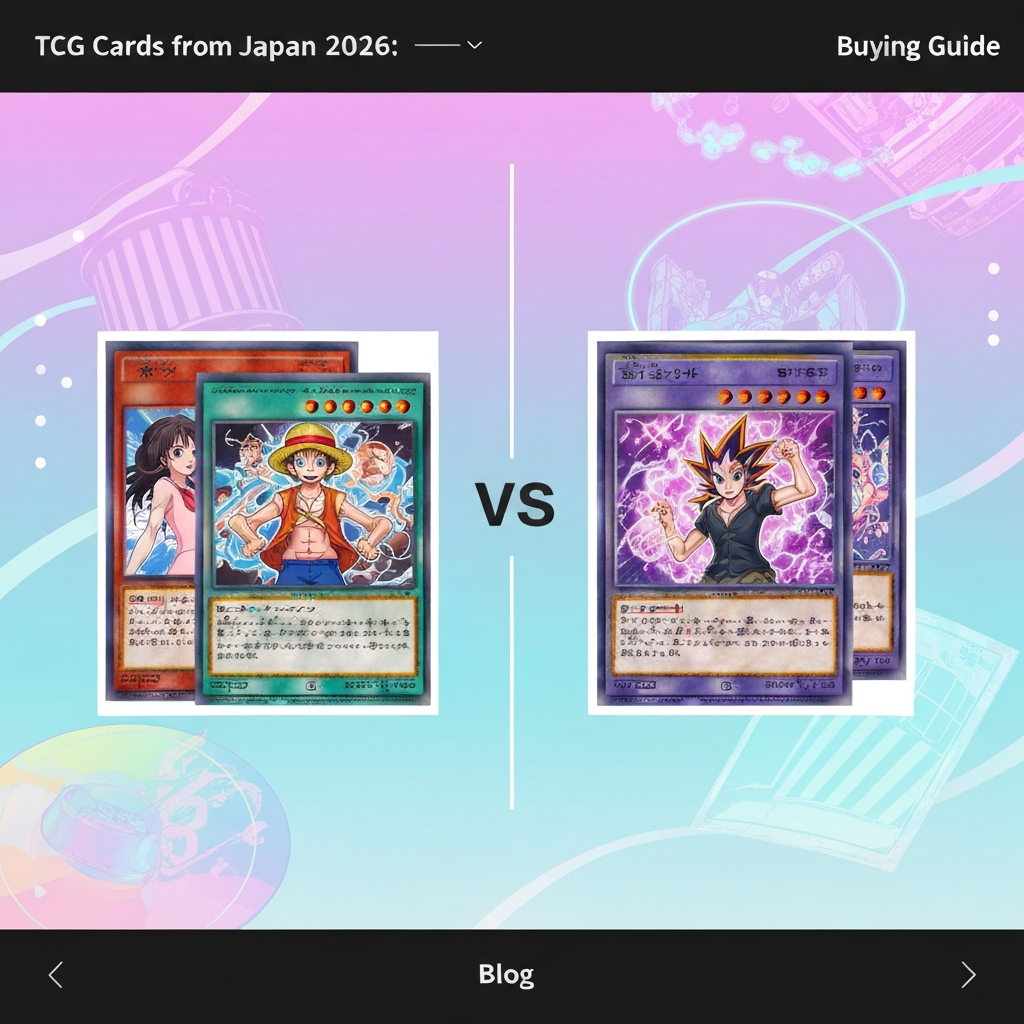
Understanding each game’s market—from collectible potential to playability—is crucial for informed buying. Whether you’re chasing a rare card or building a competitive deck, the Japanese market offers unparalleled opportunities.
The Contenders: Pokémon vs. One Piece vs. Yu-Gi-Oh!
While all three TCGs share the common goal of collecting and battling, their market dynamics, card aesthetics, and collector demographics vary significantly. Here’s a closer look at each, followed by a side-by-side comparison.
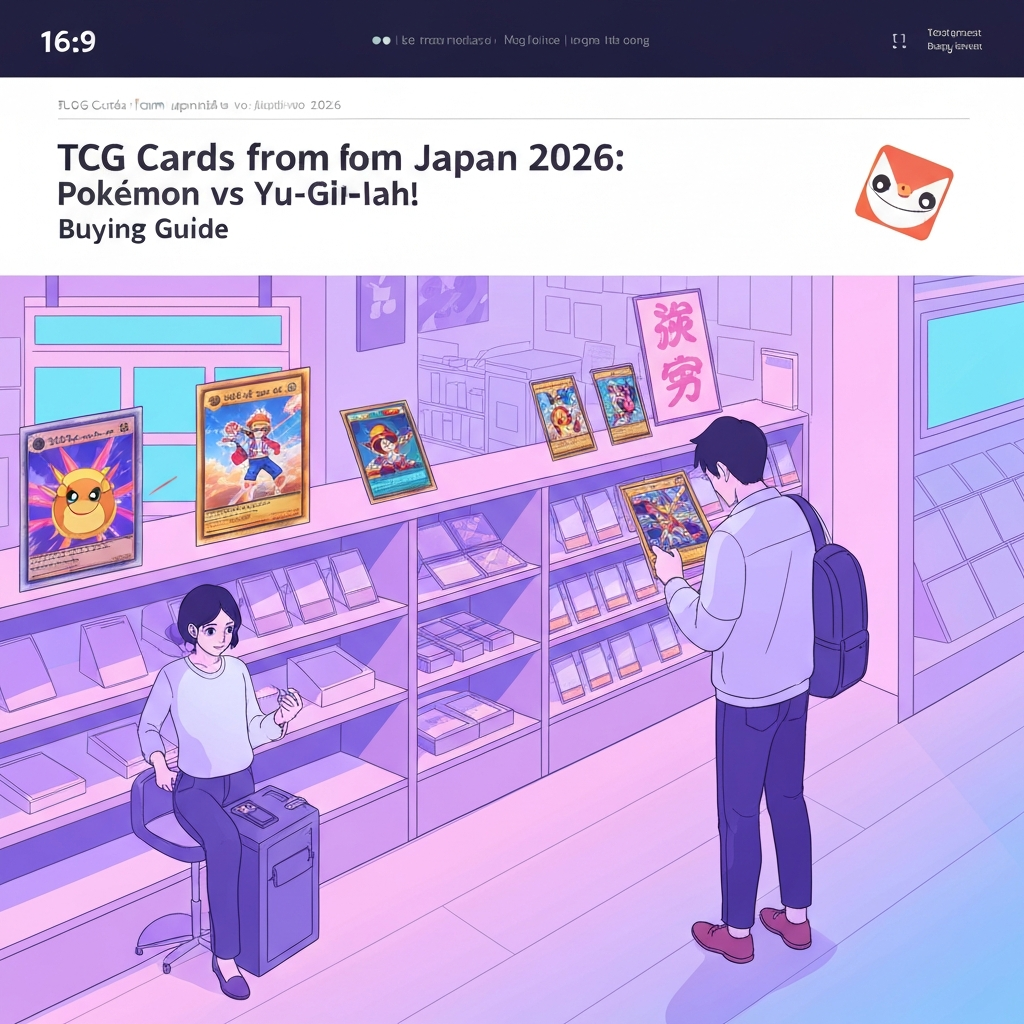
Pokémon TCG: The Undisputed Giant
The Pokémon TCG continues its reign as the largest and most globally recognized trading card game. In Japan, its market is colossal, driven by consistent new sets, stunning artwork, and a nostalgic appeal that spans generations. Cards printed in Japan often feature superior quality, unique promo cards, and sometimes even exclusive set lists compared to their international counterparts [1]. The demand for full-art trainer cards, special-art rares, and rare holographics remains incredibly high.
For collectors, Japanese Pokémon cards represent both a relatively stable collectible and a treasure trove of artistic masterpieces. The market for sealed products, especially booster boxes and special collection sets, is robust. Platforms like Pokémon Center Japan often have exclusive items that become highly sought after globally [6].
One Piece Card Game: The Fastest Rising Star
Launched in 2022, the One Piece Card Game has experienced an explosive rise in popularity, quickly establishing itself as a major player in the TCG landscape. Leveraging the immense global fanbase of the One Piece manga and anime, its Japanese releases are particularly hot commodities [2]. The game’s mechanics are engaging, and its card art faithfully captures the dynamic spirit of the series, featuring iconic characters like Luffy, Zoro, and Nami.
Collector demand for parallel-art cards, manga rare cards, and alternate-art leader cards is exceptionally high, often leading to rapid sell-outs. The market is characterized by rapid growth and strong secondary-market performance, making it an exciting space for both players and collectors. Japanese exclusive promotions and limited-edition items are common, fueling international interest.
Yu-Gi-Oh! OCG: The Deep Dive for Discerning Collectors
Yu-Gi-Oh! Official Card Game (OCG) holds a special place in the hearts of many collectors, particularly in Japan where it originated. The OCG market is distinct from the global TCG market, with different card lists, rarities, and even game rules for some formats [3]. This exclusivity creates a deep collector market for Japanese-only cards, particularly vintage rarities, promotional cards, and unique foil patterns.
Unlike Pokémon or One Piece, Yu-Gi-Oh! OCG appeals to a highly dedicated and often older collector base who appreciate the intricate history and nuanced differences between OCG and TCG releases. High-value cards often include classic monsters in ultimate-rare or ghost-rare finishes, tournament prize cards, and early printings. While not always as volatile as the other two, the OCG market offers consistent value for specific, rare items.
Side-by-Side Comparison: TCG Cards from Japan 2026
To help you decide where to focus your collecting efforts, here’s a detailed comparison across audience, rarity systems, the Japanese-version advantage, and who each game suits best.
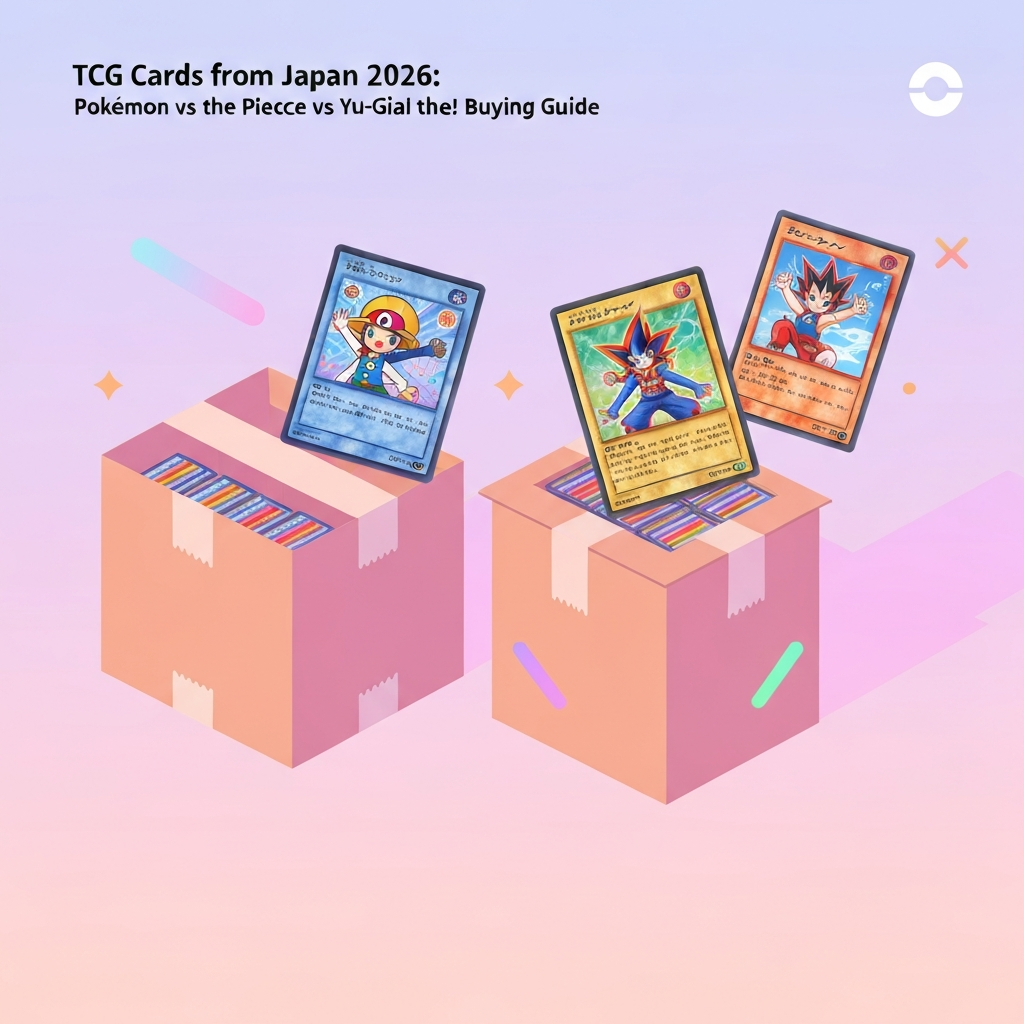
| Feature | Pokémon TCG (JP) | One Piece Card Game (JP) | Yu-Gi-Oh! OCG (JP) |
|---|---|---|---|
| Audience | Broadest — players, investors, nostalgic collectors of all ages. | One Piece fans, newer TCG players, speculative buyers. | Dedicated players, long-term collectors, OCG purists. |
| Rarity System | SR / SAR / AR / special-art and full-art trainers, secret rares. | SR / SEC / Manga Rare / Parallel & Alt-Art leaders. | Ultimate Rare, Ghost Rare, 20th/25th Anniversary, Prismatic Secret. |
| Market Size / Growth | Largest, stable, consistent growth. | Fastest growing, high demand, rapid appreciation. | Deep, niche, stable for specific rarities/vintage. |
| Typical Booster Box Range | ¥5,000–¥12,000 (standard), higher for special/vintage. | ¥8,000–¥15,000 (newer sets), often inflated by demand. | ¥4,000–¥8,000 (newer sets), vintage varies widely. |
| Japanese-Version Advantage | Superior card stock, unique promos, some exclusive cards/sets. | Exclusive promos, high print quality, earliest release schedule. | Entirely different card pool, rarities, and occasionally rulesets from TCG. |
| Best Suited For | Anyone wanting a mainstream, liquid, art-driven collection. | Anime fans chasing hot new releases and momentum. | Purists who value depth, history, and OCG-only rarities. |
How to Buy Japanese TCG Cards with OneMall: Step by Step
Acquiring Japanese TCG cards directly from Japan can be challenging due to language barriers, international shipping complexities, and vendor restrictions. OneMall, a Japan-based proxy shopping service, handles this end to end. Because cards contain no batteries, they ship via every available method with no lithium restrictions. Follow this workflow:
- Find sealed product or singles. Search Japanese marketplaces such as Yahoo Auctions Japan (vintage and singles), Mercari Japan, Suruga-ya (sealed boxes and TCG singles) [4], and Amazon Japan. Compare against market references before you commit.
- Order via OneMall. Paste the product URL into OneMall and place the order. The service fee is a ¥300 per item on most marketplaces, so placing several small orders for specific chase cards stays economical.
- Consolidate your purchases. Let items accumulate in your OneMall warehouse — you get 90 days of free storage after arrival (30 days after consolidation). Your first 6 orders are free; after that, consolidation is just ¥100 per order. Combining many singles into one box is the biggest saver on international shipping.
- Inspect the factory seal. OneMall staff can photograph your items so you can confirm booster boxes and packs are genuine, factory-sealed, and undamaged before they ship — your best defense against resealed or tampered product.
- Choose your shipping method. Options include EMS, DHL, ECMS, and Sea Mail. Shipments to the United States must use DHL or ECMS (Japan Post routes are not available to the US). Note that the US de minimis exemption has been removed, so US imports are taxable regardless of declared value [5].
- Receive your cards. Track your consolidated parcel to your door and add the cards to your collection or deck.
Navigating the Pitfalls: What to Avoid
While the Japanese TCG market offers incredible opportunities, it also comes with potential risks. Being aware of these can save you money and frustration.
Fakes and Counterfeits
The popularity of high-value Japanese TCG cards has led to a rise in counterfeit products. Always exercise caution when purchasing, especially from unknown sellers or at prices that seem “too good to be true.”
- Examine seller reputation: On Yahoo Auctions or Mercari, check seller ratings and reviews, and favor established sellers with a history of positive feedback.
- Inspect card quality: Authentic Japanese cards have high print quality, crisp colors, and precise cuts. Fakes often show blurry text, dull colors, or a different feel. Be wary of sellers using stock photos instead of the actual card.
- Check packaging: Be suspicious of sealed products that look tampered with. Buy sealed booster boxes from reputable sources like Suruga-ya or official stores whenever possible.
Scalper Tactics and Overpriced Bundles
High demand, particularly for new One Piece TCG and popular Pokémon sets, attracts scalpers who resell at inflated prices.
- Avoid impulse buys: Prices often stabilize after the initial hype, though some chase cards stay high.
- Research market value: Check Japanese market references before committing to understand a fair price.
- Be wary of “mystery” bundles: Random bundles rarely offer good value; stick to researched cards or sealed products.
Frequently Asked Questions
What is the difference between Yu-Gi-Oh! OCG and TCG?
The Yu-Gi-Oh! Official Card Game (OCG) is the version released in Asia, primarily Japan, Korea, and other Asian countries, while the Trading Card Game (TCG) is released in North America, Europe, and Australia. Key differences include card rarity designations, unique exclusive cards, different ban lists, and sometimes slight rule variations or card-text translations. OCG cards are often printed with different foil patterns and card stock.
Are Japanese TCG cards a good investment?
Many Japanese cards — rare Pokémon, One Piece manga rares, and vintage Yu-Gi-Oh! OCG cards — have shown significant appreciation over time. However, like any collectible, they carry risk. Condition, rarity, popularity, and market trends all influence value. It’s generally best to collect what you love, treating potential appreciation as a secondary benefit.
How can I tell if a Japanese TCG card is fake?
Careful inspection is key: look for differences in color saturation, font clarity, card texture, and holographic patterns. Authentic Japanese cards have a distinct feel and shine. Compare against genuine copies, research known fakes for specific cards, and buy from trusted sellers. If a deal seems too good to be true, it usually is.
How much does OneMall charge to buy cards for me?
OneMall charges a flat ¥300 service fee per item, plus the item price and domestic/international shipping. You also get 90 days of free storage after arrival (30 days after consolidation), and your first 6 orders are free (¥100 per order thereafter). Just provide the product URL from a Japanese shop or marketplace and OneMall handles purchase, inspection, and forwarding.
How are TCG cards shipped from Japan, and what about US orders?
Cards contain no batteries, so they can ship by any method — EMS, DHL, ECMS, or Sea Mail. Consolidating multiple small orders into one parcel cuts costs substantially. Orders to the United States must use DHL or ECMS (Japan Post is not available to the US), and because the US de minimis exemption has been removed, all US imports are taxable regardless of value.
References
- The Pokémon Company. Pokémon Card Game Official Website. Retrieved from https://www.pokemon-card.com/
- Bandai Co., Ltd. One Piece Card Game Official Website. Retrieved from https://en.onepiece-cardgame.com/
- Konami Digital Entertainment. Yu-Gi-Oh! OCG Official Website (Japan). Retrieved from https://www.yugioh-card.com/japan/
- Suruga-ya. Trading Card & Sealed Product Listings. Retrieved from https://www.suruga-ya.jp/
- U.S. Customs and Border Protection. Internet Purchases & Duty. Retrieved from https://www.cbp.gov/trade/basic-import-export/internet-purchases
- Mercari, Inc. Mercari Japan Marketplace. Retrieved from https://jp.mercari.com/
- Yahoo Japan. Yahoo! Auctions Japan. Retrieved from https://auctions.yahoo.co.jp/
- DHL. International Shipping & Customs Information. Retrieved from https://www.dhl.com/
Start your Japanese TCG collecting journey with a flat ¥300 fee, 90 days of free storage after arrival (30 days after consolidation), and flexible consolidated shipping. Explore the Japan card-collecting hub: https://www.onemall.jp/topic/cards?ch=blog_tcgcards
Last updated: 2026-10-05.