 Shopping Guide
 HELP / FAQs


 By onemall
TL;DR
As of September 2026, the Japanese bicycle industry has three layers. The complete-bike makers — Bridgestone Cycle (with its Anchor racing line), Panasonic Cycle Tech, Yamaha, Miyata, Maruishi, Araya, Tokyobike, Tyrell, Khodaa Bloom — mostly build e-bikes and city bikes for the home market. The framebuilders — Nagasawa, Kalavinka, Cherubim, Level, Makino, Toei — make the NJS keirin and randonneur frames the world collects. And the component makers — Shimano (founded 1921), Nitto, MKS, Sugino, Kashimax, Panaracer, IRC, Dia-Compe, Tange, Cateye, OGK Kabuto — are where Japan actually dominates. The table below lists 35 brands with what each one makes.
- If you are looking for the “big 4” Japanese bike brands (Honda, Yamaha, Kawasaki, Suzuki), you want motorcycles — our Japanese motorcycle brands guide covers those. Only Yamaha appears on both lists.
- Parts are the easy import. A Nitto bar, a set of MKS pedals or a Shimano derailleur costs ¥2,000–¥9,000 in Japan and posts in a small box. Frames ship as oversize parcels; complete bikes are freight.
- Japan-only stock is the point. NJS-stamped keirin parts, Anchor and Panasonic POS frames, Tokyobike and Tyrell, Panasonic and Bridgestone e-bikes, and most Nitto and Sugino catalogue items never get an overseas distributor — they are on Rakuten, Yahoo Auctions and Mercari.
- Search in Japanese. 自転車, ピスト, NJS, 日東, 三ヶ島, スギノ, カシマックス find ten times the listings of the English names.
Every Japanese bicycle brand that matters, in one table
This is the list of Japanese bicycle brands, makers, companies and manufacturers most people are looking for — bikes, frames and parts together, because in Japan the parts makers are the famous ones. Each name links to live Japanese listings.
| Brand | Makes | Founded / origin | Based in | Known for |
|---|---|---|---|---|
| Bridgestone Cycle | Complete bikes, e-bikes, road | Bicycle arm of Bridgestone since 1949[1] | Ageo, Saitama | Japan’s largest bicycle maker: Albelt belt-drive commuters, TB1 and bikke / HYDEE.II child-carrier e-bikes, the Anchor road and track line (RP9, RS9, NJS keirin frames), the 1980s–90s RB-1, MB-1 and XO-1 that US collectors hunt |
| Panasonic Cycle Tech | E-bikes, made-to-order frames | Bicycles under the National / Panasonic name since 1952[2] | Kashiwara, Osaka | Gyutto, ViVi, Timo and Velo-Star pedal-assist bikes; the Panasonic Order System (POS) chromoly and titanium frames built to measure in Kashiwara; the Team Panasonic road bikes of the 1980s |
| Yamaha | E-bikes | PAS, the world’s first pedal-assist bicycle, 1993 | Iwata, Shizuoka | PAS city e-bikes, PAS Kiss / Babby child-carrier models, YPJ e-road and e-MTB, drive units supplied to other brands |
| Miyata | Complete bikes, e-bikes | Built Japan’s first domestic bicycle in 1890[3] | Chigasaki, Kanagawa (Merida group since 2011) | Freedom and Cruise e-bikes, the 1980s Miyata 610 / 912 / Team Miyata touring and road bikes, Koga-Miyata frames for the Dutch market |
| Maruishi | City and touring bikes | Founded 1894 | Tokyo | Emperor touring and randonneur bikes, Hot News commuters, the classic Japanese mamachari |
| Araya | Rims, complete bikes | Rim maker since 1903[4] | Osaka | Araya rims on half the vintage Japanese bikes ever exported; Federal, Swallow Randonneur, Muddy Fox and Diagonale complete bikes; Raleigh-branded bikes in Japan |
| Fuji (origin) | Road and city bikes | Nichibei Shokai, 1899 | Now US-owned (Advanced Sports, Philadelphia) | Started in Japan and made the 1970s–80s Fuji S-10S, Royale and Team bikes there; today designed in the USA and built in Asia — still sold in Japan through a distributor |
| Kuwahara | BMX | Founded 1918 | Osaka | The bike Elliott rides in E.T. (1982), the reissued KZ-1 / E.T. BMX, Gaap and Hirose frames |
| Tokyobike | Urban bikes | Founded 2002 | Yanaka, Tokyo | Bisou, Mono, CS and Leger city bikes with small wheels and a low top tube; shops in London, Berlin, New York and Singapore |
| Tyrell | Folding and mini velo | Kagawa (Sanuki) brand | Kagawa | FX and IVE folding bikes, CSI and FSX mini velos, the “Sanuki” road-speed small-wheelers |
| Khodaa Bloom / Nesto (Hodaka) | Road, cross, kids | Hodaka Corp. brands | Osaka | Khodaa Bloom Farna and Rail, Nesto Vacanze and Limit — the mid-price Japanese road and crossbike range |
| Riteway | City and cross bikes | Riteway Products Japan | Tokyo | Shepherd City, Glacier and Pasture crossbikes designed for Japanese riders |
| Asahi (Cycle Base Asahi) | Retail house brands | Japan’s largest bicycle-shop chain | Osaka | Precision, Innovation Factory, Weekend Bikes, Office Press, Afit — the store brands of the 500-shop chain |
| Doppelganger | Budget folding | Beads Corp. brand | Osaka | Cheap folding and mini velo bikes sold on Rakuten and Amazon Japan |
| Nagasawa | NJS keirin frames | Yoshiaki Nagasawa, trained at De Rosa | Osaka | The most famous keirin framebuilder; lugged steel track frames used by generations of keirin riders |
| Kalavinka (Tanabe) | NJS keirin frames | Tanabe Cycle | Tokyo | Hand-built NJS track frames with the bird head badge, cult favourites in the fixed-gear scene |
| Cherubim (Konno) | Custom steel | Konno Cycle Works, since 1965 | Machida, Tokyo | NAHBS-winning custom steel road and track frames; Rambler, Sticky, Air Line |
| Level (Matsuda) | NJS keirin frames | Matsuda Cycle | Tokyo | NJS-stamped track frames and lugged road frames |
| Makino, Samson, Vivalo, Toei | NJS and randonneur frames | Independent builders | Various | Makino and Samson (keirin), Vivalo (Osaka), Toei (Tôei-sha, randonneur frames the French would envy) |
| 3Rensho, Zunow | Vintage NJS frames | Closed | Tokyo / Osaka | Out of production, so every 3Rensho and Zunow frame on Yahoo Auctions is a collectable |
| Shimano | Components | Founded 1921 | Sakai, Osaka | Dura-Ace (since 1973), Ultegra, 105, Tiagra, Sora, Claris; XTR, Deore XT, SLX, Deore, Cues; SPD pedals (1990), Di2 electronic shifting, Nexus and Alfine internal hubs; the biggest bicycle-component maker in the world — and, as it happens, {L(9720, “a fishing-tackle giant too”)} |
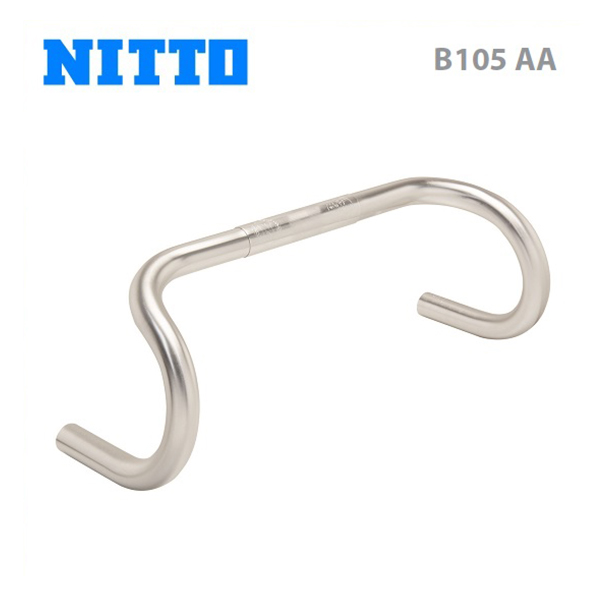
| Nitto | Handlebars, stems, posts | Founded 1923 | Tokyo | B123 and B125 track bars, Noodle and Randonneur bars, Technomic and Pearl stems, Dynamic seatposts, the NJS-stamped Jaguar and Crystal Fellow |
| MKS (Mikashima) | Pedals | Founded 1943 | Tokorozawa, Saitama | Sylvan, Lambda, Allways and Gamma pedals, Ezy removable pedals for folding bikes, Custom Nuevo and Royal Nuevo NJS track pedals |
| Sugino | Cranks, bottom brackets | Founded 1910 | Japan | Sugino 75 (NJS), Mighty and Grand Mighty, Zen, OX601D / OX901D compact cranks, the RD2 and XD2 touring cranks |
| Kashimax (Kashima Saddle) | Saddles | Kashima Saddle Co. | Osaka | Five Gold and Aero NJS track saddles, the CHS city-bike saddles under most mamachari |
| Panaracer | Tyres and tubes | Founded 1952 | Hyogo | GravelKing, Agilest, Pasela, Race A / D, TPU and butyl tubes, floor pumps |
| IRC Tire (Inoue Rubber) | Tyres | Founded 1926 | Nagoya | Formula Pro tubeless road tyres, Serac and Tanken MTB and gravel tyres |
| Dia-Compe (Yoshigai) | Brakes, levers | Founded 1928 | Osaka | MX-1000 and MX-122 BMX brakes and levers, Gran Compe track brakes, ENE Ciclo retro components |
| Tange Seiki | Headsets, tubing | Founded 1920 | Osaka origin | Levin, Passage and Technoglide headsets; Tange Prestige and Champion steel tube sets on 1980s frames |
| Kaisei | Steel tubing | Tube maker | Japan | Kaisei 019, 022 and 8630R tube sets used by most Japanese custom framebuilders |
| SunTour (Maeda), Sansin | Vintage components | Maeda Industries, 1912; brand ended 1995 | Osaka (historic) | Cyclone, Superbe Pro, XC Pro, Sprint and Vx derailleurs on 1970s–90s bikes; the slant-parallelogram derailleur; SR Suntour today is a Taiwanese company |
| Cateye | Lights, computers | Founded 1954[5] | Osaka | Volt and AMPP front lights, Urban and Omni, Rapid rear lights, Velo and Padrone computers, reflectors |
| OGK Kabuto | Helmets, child seats | Founded 1948 | Osaka | Aero-R2, Izanagi, Flair and Rect road helmets sized for Asian heads, Koofu, OGK Giken child seats and baskets |
| Minoura | Trainers, racks | Founded 1933 | Gifu | Indoor trainers, bottle cages, wall and floor bike stands |
| Pearl Izumi Japan | Cycling apparel | Founded 1950 | Tokyo | Jerseys, bib shorts and winter kit; the Japanese company is independent of the US Pearl Izumi owned by Shimano |
| Ostrich (Azuma), Rin Project, Narifuri, Kapelmuur | Bags and apparel | Japanese cycling soft goods | Tokyo | Ostrich rinko bags for taking a bike on the train, Rin Project and Narifuri urban cycling clothes, Kapelmuur jerseys |
Top 10 Japanese bicycle brands (ranked)
| # | Brand | Why it is on the list |
|---|---|---|
| 1 | Shimano | Dura-Ace, Ultegra, 105, XTR, Deore, SPD, Di2 — the component maker on most bikes in the world |
| 2 | Bridgestone Cycle / Anchor | Japan’s biggest bike maker; Anchor road and keirin frames; RB-1 and XO-1 classics |
| 3 | Panasonic Cycle Tech | E-bikes for the mass market plus made-to-measure POS frames |
| 4 | Miyata | The first Japanese bicycle (1890) and the 1980s touring bikes still ridden today |
| 5 | Yamaha | Invented the pedal-assist bicycle (PAS, 1993) |
| 6 | Nitto | Handlebars and stems on every serious steel bike |
| 7 | MKS | Pedals, from ¥2,000 flats to NJS track |
| 8 | Sugino | Cranks, including the NJS Sugino 75 |
| 9 | Panaracer | GravelKing and Agilest tyres |
| 10 | Cateye | Bike lights and computers since 1954 |
That is the short answer to “best”, “most famous”, “most popular” and “top 5 / top 10” Japanese bike brands. It is also an honest picture of the industry: outside e-bikes, Japan’s biggest names today are component and accessory makers, while Taiwanese factories build most complete bikes for the world — including many sold under Japanese brands.



Japanese road bike brands
Three names cover most of the road market inside Japan. Anchor is Bridgestone’s racing brand — the RP9 and RS9 carbon frames are ridden by the Bridgestone pro team and are sold in Japan only. Panasonic still builds chromoly and titanium road frames to order in Kashiwara, Osaka, with your choice of geometry and paint. Khodaa Bloom (Farna) and Nesto cover the entry and mid price bands. For steel, the custom builders — Cherubim, Level, Toei, Kalavinka, Makino — make road frames as well as track. Miyata’s road bikes today are e-road and Merida-built; the vintage Japanese road bike brands worth searching are Miyata, Panasonic, Bridgestone and Fuji from the 1980s (see the table below). Japanese racing bike brands beyond that are really component stories: Shimano groupsets, Nitto cockpit, Sugino cranks.
Japanese electric bike (e-bike) brands
This is where the Japanese makers are dominant at home. Yamaha launched PAS in 1993, the world’s first production pedal-assist bicycle, and still sells the PAS range plus the YPJ e-road and e-MTB bikes. Panasonic (Gyutto, ViVi, Timo) and Bridgestone (TB1e, bikke, HYDEE.II, Albelt e) are the other two of Japan’s e-bike big three; between them they make the child-carrier e-bikes (front and rear seats, 20-inch wheels, 16 Ah batteries) that every Japanese city runs on. Miyata (Cruise, Freedom) and Maruishi round it out. Prices in Japan run ¥100,000–¥180,000 for a new one and far less used. The catch for buyers abroad is the battery: lithium-ion packs of that size are dangerous goods and most cross-border services will not carry them — see what cannot be shipped from Japan before you buy a Japanese electric bicycle expecting to import it whole. Japanese e-bike brands in India, Pakistan or Bangladesh are usually reconditioned used imports for exactly that reason.
Japanese folding bike and mini velo brands
Tyrell (Kagawa) makes the FX and IVE folders and the CSI mini velo; Panasonic sells small folders under the Traincle and Light Wing names; Bridgestone the Transit folder (Helmz is its rigid urban line); Doppelganger the cheap ones. The best-known Japanese folding bike abroad is arguably none of these: Dahon, Tern and Brompton are Taiwanese, Taiwanese and British. What Japan does supply to every folding bike is parts — MKS Ezy removable pedals are the standard upgrade on Bromptons and Dahons worldwide. A Japanese style folding bike (the small-wheel mini velo with drop bars) is a Tyrell or a custom from Bruno / Raleigh Japan (Araya).
Japanese mountain bike, gravel and BMX brands
Japan had a golden age of MTB in the late 1980s — the Bridgestone MB-1, the Miyata Ridge Runner, Araya Muddy Fox, Panasonic Mountain Cat — and those are now the Japanese mountain bike brands people search for. Current Japanese mountain bike production is small: Khodaa Bloom, Nesto and Yamaha (YPJ-MT) sell MTBs at home, but the components are the export — Shimano XTR / Deore XT, IRC and Panaracer tyres, OGK Kabuto helmets. For gravel it is the same: Panaracer GravelKing is the tyre that defined the category, and Japanese steel gravel bikes come from the custom builders (Cherubim, Level, Ravanello). The Japanese BMX brand is Kuwahara (Osaka, 1918), famous as the bike in E.T.; the reissued KZ-1 and E.T. models sell out each run.
Japanese fixed gear, track bike and keirin frame builders (NJS)
“Japanese track bike brands” means the keirin framebuilders. Keirin is the pari-mutuel track-racing circuit, and every frame and part used in it has to carry the NJS (Nihon Jitensha Shinkokai) approval stamp — which is why NJS-stamped Nagasawa, Kalavinka, Level, Makino, Samson, Vivalo, Anchor and Panasonic frames, Nitto bars, Sugino 75 cranks, MKS pedals, Kashimax saddles and Hatta bottom brackets became the currency of the fixed-gear scene worldwide. Our NJS and keirin parts guide explains what the stamp does and does not guarantee and lists real prices; retired keirin frames on Yahoo Auctions are the cheapest way into a hand-built Japanese steel track frame. Search NJS frames.
Japanese steel bikes, frame builders and titanium
Japanese steel bike brands are mostly one-man or family workshops: Cherubim (Konno, Machida), Level (Matsuda), Toei (randonneurs), Kalavinka, Makino, Ravanello, Amanda, Hirose. Panasonic’s POS programme is the only factory offering made-to-measure steel and titanium frames; Panasonic titanium frames from Kashiwara are the Japanese titanium bike frame most people mean. The tubing is Kaisei (019, 022, 8630R) or Tange Prestige, the lugs are often Japanese too, and the carbon side is basically Anchor. If you read about the “Japanese steel bikes” book — that is Japanese Steel: Classic Bicycle Design from Japan (Rizzoli), a good primer on the builders above.
Vintage Japanese bicycle brands (1970s–90s)
Old Japanese bike brands are confusing because half of them were American brand names on Japanese-made frames. This table sorts them:
| Name on the down tube | Who it really was | Models collectors look for |
|---|---|---|
| Nishiki | Brand of West Coast Cycle (USA); frames by Kawamura Cycle, Kobe | International, Competition, Cresta, Olympic |
| Centurion | Western States Imports (USA); built by Japanese factories | Ironman Expert, Le Mans, Dave Scott |
| Univega | Lawee (USA); most frames built by Miyata | Gran Turismo, Viva Sport, Alpina Uno |
| Lotus | US importer brand made in Japan | Odyssey, Classique |
| Sekine | Japanese maker, big in Canada in the 1970s | SHS, SHC road bikes |
| Shogun, Zebrakenko, Sekai | Export-only names made by Japanese factories | 1970s–80s road bikes |
| Bridgestone (USA era) | The Grant Petersen catalogues, 1980s–1994 | RB-1, RB-2, MB-1, XO-1, T-700 |
| Miyata | Direct exports to the US and Europe | 610, 912, 1000, Team Miyata, Koga-Miyata |
| Panasonic | Direct exports, custom paint programme | DX-2000, PT-3500, Team, Le Mans, Tourist |
| Fuji | Japanese-made until the late 1980s | S-10S, S-12S, Royale, Team, Opus |
Serial numbers on vintage Japanese bikes usually encode the factory and year (Miyata, Panasonic and Bridgestone all used their own schemes), and the parts tell the era: SunTour derailleurs, Sugino cranks, Dia-Compe brakes, Araya rims, Nitto bars, Kashimax or Fujita saddles. Vintage Japanese bicycle parts and complete bikes are cheaper inside Japan than on eBay — a used Bridgestone or Panasonic road bike lists for ¥20,000–¥60,000 on Yahoo Auctions. Search vintage Japanese road bikes.
Japanese bicycle parts brands: components, pedals, saddles, tyres, lights, helmets
This is the list that matters for anyone building or restoring a bike:
- Drivetrain and brakes: Shimano (Dura-Ace, Ultegra, 105, XTR, Deore, Di2, Nexus hubs), Sugino cranks, Dia-Compe brakes and levers, Hatta bottom brackets, and Izumi (the Japanese-made track chain).
- Cockpit and contact points: Nitto handlebars, stems and seatposts (the Japanese bike handlebar brand), MKS pedals (the Japanese bike pedal brand), Kashimax and Fujita saddles.
- Wheels and tyres: Araya rims, Panaracer and IRC tyres (the Japanese bicycle tire brands), Shimano and Dura-Ace hubs, Tange headsets.
- Accessories and equipment: Cateye lights and computers, OGK Kabuto helmets (the Japanese bike helmet brand — sized for rounder heads, which is why riders in Asia buy them), Minoura racks and trainers, Ostrich rinko bags, Tioga (a Japanese-founded accessory brand), Bridgestone and Panasonic baskets and child seats.
- Clothing: Pearl Izumi Japan, Kapelmuur, Rin Project, Narifuri and Sunvolt are the Japanese cycling clothing and jersey brands.
Smaller Japanese bike accessories brands and parts you will meet on listings: Viva and Crane brass bells (the Japanese bicycle bell most shops sell), Hozan and Vessel bike tools, Minoura and Gorix kickstands, storage and garage stands, OGK grips and mirrors (a side mirror is standard on mamachari), Shimano Nexus / Alfine internal gear systems and the Japanese “gear systems” question (Shimano is the Japanese manufacturer of bicycle gear systems, full stop), Cateye headlights, Ostrich and Fairweather bags, and the Topone and Angelino names — Topone is a budget Japanese folding-bike label sold on Amazon Japan, Angelino is Bridgestone’s child-carrier e-bike. Japanese bikes for women are simply the smaller frame sizes of the same models plus the mamachari; XL frames (58 cm and up) are rare in Japan, so tall riders buy Anchor or a custom builder. A Japanese bike with a shifter is usually a 3-speed Nexus hub; a Japanese fixie is a keirin frame; a Japanese push bike (the British word) is a mamachari; and a foldable Japanese bike is a Tyrell, a Panasonic Traincle or a Doppelganger. Tire pressure on city bikes is low (about 3 bar / 45 psi on 27×1 3/8 tires), which is why Japanese bike tires wear differently from road tires.
Two practical notes. Japanese city bikes use the Woods / Dunlop (“English”) valve, so a Japanese bike tire valve needs an adapter for a Presta or Schrader pump; and Japanese bottom-bracket shells are usually JIS (68 mm, 24 tpi) rather than Italian, which matters when you buy a vintage frame.
Mamachari: the Japanese city bike with a basket
The mamachari — step-through frame, front basket, rear rack, hub dynamo light, ring lock, often a child seat front and back — is the Japanese bicycle most people picture. Bridgestone, Panasonic, Yamaha, Maruishi, Miyata and the Asahi house brands make them, in 26-inch and 27-inch wheel sizes, and the pedal-assist versions are the ones that sell now. A new one is ¥30,000–¥60,000 without a motor; used ones are a few thousand yen at the second-hand shops. They are heavy (18–25 kg), which is why nobody exports them — the parts (Kashimax saddles, Cateye lights, OGK baskets and child seats) are what travel. Search ママチャリ to see the market.
Japanese bicycle words to search with
| Japanese | Reading | Meaning |
|---|---|---|
| 自転車 | jitensha | bicycle (the kanji you will see on every listing) |
| チャリ / ママチャリ | chari / mamachari | slang for a bike; the step-through city bike with a basket |
| ロードバイク | rôdo baiku | road bike |
| マウンテンバイク / MTB | maunten baiku | mountain bike |
| クロスバイク | kurosu baiku | flat-bar hybrid (a “cross bike” in Japan is not a cyclocross bike) |
| 折りたたみ自転車 / ミニベロ | oritatami / mini bero | folding bike / small-wheel bike |
| 電動アシスト自転車 | dendô ashisuto jitensha | pedal-assist e-bike |
| ピスト / 競輪 | pisuto / keirin | fixed-gear track bike / the pro track-racing circuit |
| フレーム / ハンドル / サドル / ペダル | furêmu / handoru / sadoru / pedaru | frame / handlebar / saddle / pedals |
| タイヤ / チューブ / 仏式 / 英式 | taiya / chûbu / futsu-shiki / ei-shiki | tyre / tube / Presta valve / Woods (Dunlop) valve |
| 中古 / 新品 / 未使用 | chûko / shinpin / mishiyô | used / new / unused |
| 防犯登録 | bôhan tôroku | the anti-theft registration sticker on Japanese bikes (has no meaning abroad) |
How to buy a Japanese bicycle or bike parts from Japan
- Decide what ships. Parts (pedals, bars, stems, cranks, saddles, tyres, lights, helmets) post in a small box and are the easy win. Frames and forks ship as oversize parcels. Complete bikes and e-bike batteries are the hard cases — check the list of things that cannot be shipped and the shipping options and times before you bid.
- Search the Japanese name. 日東 (Nitto), 三ヶ島 (MKS), スギノ (Sugino), カシマックス (Kashimax), パナレーサー (Panaracer), アンカー (Anchor), 競輪 / NJS — and the model numbers (B123, Sugino 75, RD-R7000).
- Pick the marketplace. New parts and e-bikes: Rakuten and Amazon Japan. Retired keirin frames and vintage: Yahoo Auctions. Used parts and second-hand bikes: Mercari. Japanese bike auctions run online daily on Yahoo; used Japanese bicycles for sale abroad (Sri Lanka, Pakistan, the Philippines) are container imports of exactly those bikes.
- Buy through a proxy. Paste the listing into OneMall and we buy it to our Japanese warehouse. For most Japanese shops the service fee is 5% of the item price (minimum ¥200, maximum ¥1,000 per order); Mercari items are a flat ¥300 each. The cheapest Japan proxy comparison shows how the totals work and our guide to the best Japan proxy services helps if you are still choosing.
- Consolidate. Pedals, a bar, a stem, tyres and a saddle from four sellers go into one box. Wheels and frames are best sent alone.
- Check the standards. JIS bottom bracket, 25.4 / 26.0 / 31.8 mm bar clamp, 1-inch threaded headsets on NJS frames, 27-inch (630) wheels on old Japanese road bikes rather than 700C.
FAQ
What are the Japanese bicycle brands?
For complete bikes: Bridgestone (Anchor), Panasonic, Yamaha, Miyata, Maruishi, Araya, Tokyobike, Tyrell, Khodaa Bloom, Nesto, Riteway and the Asahi store brands. For frames: Nagasawa, Kalavinka, Cherubim, Level, Makino, Samson, Toei. For parts: Shimano, Nitto, MKS, Sugino, Kashimax, Panaracer, IRC, Dia-Compe, Tange, Cateye, OGK Kabuto, Minoura.
What is the best Japanese bike brand?
For components, Shimano, without argument. For complete bikes it depends on type: Bridgestone Anchor for road racing, Panasonic or Yamaha for e-bikes, Tyrell for folding, Kuwahara for BMX, and a keirin builder such as Nagasawa or Kalavinka for a track frame.
Are Japanese bikes good quality?
Yes — Japanese-made frames and components have a reputation for finish and tolerances that dates from the 1970s export boom, and NJS certification enforces it for keirin parts. The caveat is that many bikes sold under Japanese brand names today are made in Taiwan or China; “made in Japan” now mostly means custom steel, Panasonic POS, Anchor’s top frames, and the component makers.
What is the most expensive Japanese bicycle?
A Nagasawa or Cherubim custom frame with an NJS build can pass ¥500,000; a Panasonic titanium POS frame is in the ¥300,000 range; Anchor RP9 framesets list around ¥250,000 in Japan. Vintage 3Rensho and Nagasawa frames trade well above their original prices.
Does Japan have a big 4 bicycle brands like it does for motorcycles?
Not really. The “big 4” are motorcycle companies (Honda, Yamaha, Kawasaki, Suzuki); in bicycles the closest thing is the e-bike big three of Panasonic, Yamaha and Bridgestone, plus Shimano on the parts side. Our Japanese motorcycle brands article covers the motorbike question.
Which Japanese bike brands are sold in India, the Philippines or Bangladesh?
Shimano parts and OGK helmets everywhere; Panasonic and Yamaha e-bikes through local partners; and large numbers of used Japanese bicycles (mamachari, folding bikes, old road bikes) imported second-hand into Sri Lanka, Pakistan, the Philippines and Bangladesh — usually the same Bridgestone, Panasonic, Maruishi and Miyata bikes you can buy directly from Japanese listings.
What is the most reliable Japanese bike brand?
For components, Shimano; for complete bikes, Bridgestone and Panasonic have the longest domestic service records, and their mamachari and e-bikes are built for twenty years of daily use. Reliability questions about “Japanese bikes” on motorcycle forums are about Honda, Yamaha, Kawasaki and Suzuki, which is a different article. Bike rental in Japan, incidentally, is mostly Docomo Bike Share and Hello Cycling e-mamachari — the same Bridgestone and Panasonic bikes.
Are Japanese bikes cheaper in Japan?
For parts and used bikes, much cheaper — Nitto, MKS and Sugino sell at domestic list price, and used Japanese bicycles and frames on Yahoo Auctions go for a fraction of overseas prices. For new complete bikes the saving is smaller once freight is added.
Related reading
- NJS and keirin bike parts from Japan: what the stamp means and real prices
- Japanese motorcycle brands — if you meant the big 4
- Japanese fishing tackle brands (Shimano’s other business), Japanese watch brands, Japanese stationery brands and Japanese toy brands — the other brand maps in this series
Last updated: 12 September 2026. Company facts checked against manufacturer profile pages on 12 September 2026; prices from live Japanese listings the same day.
References
- Bridgestone Cycle Co., Ltd. — company profile. bscycle.co.jp
- Panasonic Cycle Tech Co., Ltd. — company profile and history. cycle.panasonic.com
- Miyata Cycle Co., Ltd. — company profile (first domestic bicycle, 1890). miyatabike.com
- Araya Industrial Co., Ltd. — corporate site (“rim top brand since 1903”). araya-kk.co.jp
- Cateye Co., Ltd. — company profile. cateye.com