
 Shopping Guide
 HELP / FAQs


 By onemall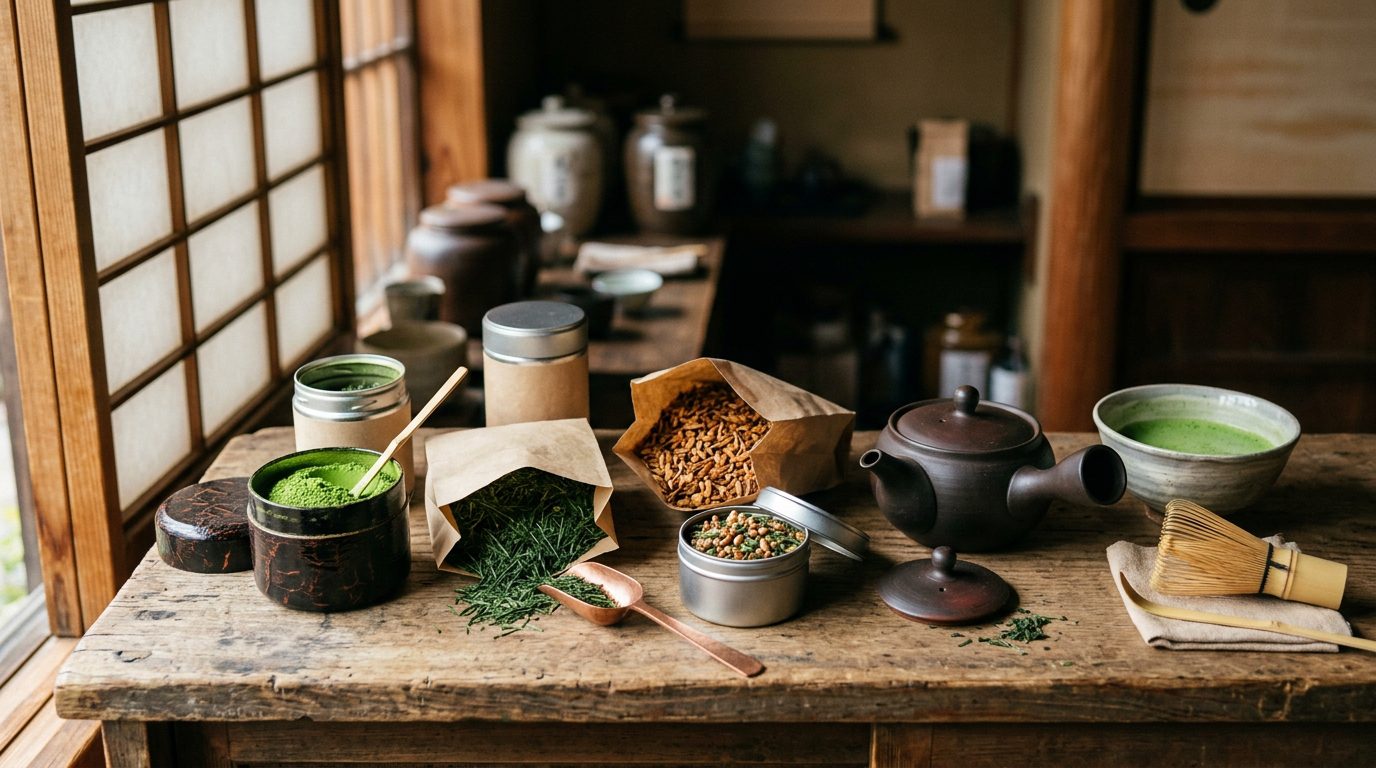
TL;DR
Japanese tea brands fall into four groups. The Kyoto and Uji houses — Ippodo, Marukyu Koyamaen, Yamamasa Koyamaen, Tsujiri, Itoh Kyuemon, Nakamura Tokichi, Kanbayashi Shunsho, Fukujuen — are where matcha and gyokuro come from and the names on every “best matcha brands in Japan” list. The national companies — Ito En (Oi Ocha), Yamamotoyama, Suntory Iyemon, Coca-Cola Ayataka, Kirin, Lupicia, Nittoh Kocha, Hakubaku — make the tea bags, bottles, milk tea and barley tea in every supermarket. The regional growers of Shizuoka, Kagoshima, Yame, Sayama, Ureshino and Ise sell most of the sencha Japan drinks, usually under their own family names. And the teaware makers — Tokoname, Nambu tekki, HARIO, Takayama chasen — are brands in their own right.
- If you want one name: Ippodo for leaf and matcha (¥1,680 for 100 g of its hojicha today), Marukyu Koyamaen for ceremonial matcha, Ito En for everyday bags and bottles.
- Cheapest real Japanese tea today: Hakubaku mugicha ¥281 for 52 bags, Shizuoka matcha ¥645 for 30 g, Ito En Oi Ocha bags ¥858 for 50, Kagoshima Chiran sencha ¥800.
- Ceremonial matcha from Uji: Itoh Kyuemon first-harvest tin ¥8,691; Kanbayashi Shunsho starter set with bowl and whisk ¥6,200.
- Shipping tea from Japan: sealed leaf, bags and powder go by Japan Post and DHL to most countries; not by ECMS, which excludes food (the rules). Australia and New Zealand inspect food on arrival; most tea clears.
How Japanese tea brands work: houses, companies and growers
Unlike coffee, most Japanese tea is not sold under a national brand. A Kyoto tea house (chaho, 茶舗) buys leaf from Uji growers, blends it, and sells it under grade names that have not changed in a century — which is why “Marukyu Koyamaen Unkaku” or “Ippodo Ummon-no-mukashi” are searched as if they were products. The big drinks companies (Ito En, Suntory, Coca-Cola Japan, Kirin, Asahi) put their names on bottles and tea bags and buy leaf from the same regions, sometimes from the same houses: Suntory’s Iyemon uses Fukujuen leaf, Coca-Cola’s Ayataka is blended with Kanbayashi Shunsho. And in Shizuoka, Kagoshima and Saitama the family garden (茶園, chaen) is the brand, sold direct or through Rakuten and Mercari. The tables below follow that structure.
Kyoto and Uji tea houses: the matcha and gyokuro brands
Uji, south of Kyoto, has made shaded tea for four hundred years, and the houses along Byodo-in street and Kyoto’s Teramachi are the brands overseas drinkers know. Founding dates are the ones the houses themselves publish.
| Brand | Where / since | What to search | Note |
|---|---|---|---|
| Ippodo (一保堂) | Kyoto, Teramachi (est. 1717) | Matcha (Ummon-no-mukashi, Sayaka, Ikuyo-no-mukashi, Wakaki-shiro, Hatsu-mukashi), gyokuro, sencha (Kaboku), hojicha, genmaicha, iribancha; tea bags | The Kyoto house most overseas drinkers start with[1]: a clear grade ladder, English labels, and a New York shop. A 100 g bag of its Gokujo hojicha is ¥1,680 on Rakuten today; the sweetened Uji Shimizu matcha powder is ¥1,709. |
| Marukyu Koyamaen (丸久小山園) | Uji, Kyoto (Genroku era, late 1600s) | Matcha graded by name: Tenju, Choan, Unkaku, Kinrin, Wako, Yugen, Isuzu, Aorashi; culinary matcha; sencha and gyokuro | The Uji matcha most tea schools and most serious home whiskers use; the names above are the grades people search[2]. Sold through its own shop and department stores, rarely discounted. |
| Yamamasa Koyamaen (山政小山園) | Uji (est. 1861) | Matcha (Ogurayama, Tenno, Samidori, Ryunomei), culinary grades | The other Koyamaen — a separate family firm, also in Uji, popular with cafés abroad for its price-to-quality on koicha grades. |
| Tsujiri (辺利) — Uji, Gion and Kitakyushu | Uji (est. 1860) | Tsujiri Ichihonten (Uji), Gion Tsujiri / Saryo Tsujiri (Kyoto Gion, 1948), Tsujiri Chaho (Kitakyushu); matcha, sweets, and the Kataoka Bussan supermarket line | Three separate companies share the founder’s name. Gion Tsujiri is the one with the parfait cafés and the export shops; its Kyoto-made 100-prong whisk is ¥6,930 today. The supermarket “Tsujiri” instant matcha by Kataoka Bussan is ¥702 for 30 g. |
| Itoh Kyuemon (伊藤久右衛門) | Uji (Tenpo era, 1832) | Ceremonial and culinary Uji matcha, matcha sweets, Uji sencha and genmaicha | The Uji house with the most active online shop; a first-harvest ceremonial tin runs ¥8,691 on an export Rakuten listing today. |
| Fukujuen (福寿園) | Kyoto, Kizu (est. 1790) | Sencha, gyokuro, hojicha; makes the leaf for Suntory’s Iyemon bottled tea; Uji no Tsuyu Seicha sells the Iyemon leaf line | The large Kyoto wholesaler behind the Iyemon brand[7]. A used-market two-pack of its sencha and fukamushi sencha is ¥2,500 on Mercari; the Iyemon matcha-blend genmaicha (500 g) is ¥1,500. |
| Nakamura Tokichi Honten (中村藤吉本店) | Uji (est. 1854) | Matcha (Fuji-no-shiro, Yukawa-no-shiro), hojicha, sweets, the Uji station café | The Uji brand known for its tea-house café and matcha jelly; the matcha tins are named for tea-school masters. |
| Kanbayashi Shunsho Honten (上林春松本店) | Uji (16th century, 16th generation) | Matcha (Zuiho, Aya-no-mori), gyokuro; supplies Coca-Cola Japan’s Ayataka | The oldest tea merchant family in Uji still trading, once tea master to the shogunate[6]. A beginner set with its Uji matcha, a Mino-ware bowl, whisk and scoop is ¥6,200 today. |
| Horii Shichimeien (堀井七茗園) | Uji (est. 1879) | Matcha, gyokuro from its own Uji gardens | Grower-producer with the Uji Shichimei garden lineage; small output, high grades. |
| Tsuen (通圭) | Uji Bridge (est. 1160) | Sencha, matcha, tea-house at the bridge | The oldest tea shop in Japan and the one Uji visitors photograph; sells online in small lots. |
| Uji-Tawara Seichajo, Kamitsujien, Uji Chaen | Uji-Tawara and Uji | Koimaro-cha (gyokuro + fukamushi blend, ¥2,444 for 100 g), Kamitsujien Uji gyokuro (¥1,881 for 100 g), Uji Chaen hot-water gyokuro (¥2,135) | The mid-price Uji leaf that Japanese households actually drink; all three are on Rakuten or Mercari today. |
| Ujien (宇治園) | Osaka / Kyoto (Meiji era) | Torami hojicha (¥868 for 100 g), sencha, gyokuro, Yame and Kagoshima single-origin packs | Department-store tea counter brand in Kansai. |
Japanese matcha brands: who makes what grade
“Ceremonial grade” is an export term; in Japan a tin says usucha (thin tea) or koicha (thick tea) and carries a grade name. Nishio in Aichi is the other big tencha region, and Kagoshima grows most of the organic matcha, so the brand is not always a Kyoto one.
| Brand / group | Where | What to search | Note |
|---|---|---|---|
| Ippodo, Marukyu Koyamaen, Yamamasa Koyamaen, Horii Shichimeien | Uji / Kyoto | Ceremonial (usucha and koicha grades), named tins 20–40 g | The four names on every “best matcha brands in Japan” list, and the ones tea schools buy. |
| Itoh Kyuemon, Tsujiri (Gion / Ichihonten), Nakamura Tokichi, Kanbayashi Shunsho | Uji | Ceremonial tins plus culinary bags, sweets, café lines | The Uji tourist houses; genuine Uji matcha with easier online ordering. |
| Aiya (あいや) | Nishio, Aichi (est. 1888) | Ceremonial and culinary Nishio matcha, organic lines, single-serve sticks | The largest matcha producer in Japan and the “Aiya Matcha” sold in the US and Europe; Nishio is the second matcha region after Uji[5]. |
| Kataoka Bussan (Tsujiri supermarket line) | Tokyo | Instant-dissolving matcha 30 g (¥702), matcha latte sticks | Grocery-store matcha under the Tsujiri name; culinary, not ceremonial. |
| Maruyama Seicha (丸山製茶) | Shizuoka | Shizuoka matcha 30 g (¥645), sencha, powdered green tea | Shizuoka’s big processor; the cheapest genuine Japanese matcha on this page. |
| Ito En (Oi Ocha powders) | Tokyo | Oi Ocha Koicha powdered green tea, matcha-blend sencha powders (¥2,050 for a 160 g pack) | Not ceremonial matcha, but the powdered green tea most Japanese offices keep; also the maker behind Costco’s Kirkland Signature green tea bags. |
| Kagoshima matcha (Kirishima, Chiran growers) | Kagoshima | Organic and single-cultivar matcha (Saemidori, Okumidori, Yutakamidori) | Where most Japanese organic matcha now comes from; sold under grower names and private labels. |
| Culinary and food-service matcha | Uji / Nishio / Kagoshima | 100 g–1 kg bags labelled 製菌用 (for confectionery) or 料理用 | For lattes, baking and ice cream; the bitter second-harvest leaf, a fraction of ceremonial prices. |
The national companies: tea bags, bottled green tea, milk tea and barley tea
These are the brands in the konbini cooler and the supermarket tea aisle, and the ones that export under their own names.
| Brand | Where / since | What to search | Note |
|---|---|---|---|
| Ito En (伊藤園) — Oi Ocha | Tokyo (est. 1966) | Oi Ocha bottled green tea (the best-selling green tea drink in Japan), Oi Ocha Koicha, tea bags (¥858 for 50 matcha-blend bags, ¥858 for 50 hojicha bags), leaf packs, Kirkland Signature bags for Costco, Ito En USA | The biggest Japanese green tea company by far. Its Oi Ocha (お~いお茶) bottle launched in 1989 and is the green tea in every convenience store and vending machine[3]. |
| Yamamotoyama (山本山) | Tokyo, Nihonbashi (est. 1690) | Sencha, genmaicha, hojicha, gyokuro tea bags; nori seaweed; a US subsidiary that sells the genmaicha and matcha-sencha bags in American supermarkets | The oldest tea brand in Tokyo, credited with putting gyokuro on the market in 1835; the “Yamamotoyama green tea” on Amazon US is this company[4]. |
| Suntory Iyemon (伊右衛門) | Osaka / Kyoto | Bottled green tea made with Fukujuen leaf (since 2004), Tokucha (FOSHU), Iyemon leaf tea bags via Uji no Tsuyu Seicha | Number two bottled green tea; the one with the Kyoto tea-house story on the label. |
| Coca-Cola Japan Ayataka (綿鹰) | Tokyo | Bottled green tea with Kanbayashi Shunsho, sold cloudy on purpose (¥2,556 for a 24-bottle case on Mercari today) | The “tastes like kyusu tea” bottle; also a matcha latte line. |
| Kirin Namacha (生茶) | Tokyo | Bottled green tea (since 2000), decaf Namacha, Gogo no Kocha black tea | Kirin’s green tea; Gogo no Kocha (午後の紅茶, 1986) is the milk tea and lemon tea in the same cooler. |
| Asahi Juroku-cha (十六茶) | Tokyo | Sixteen-ingredient blended tea (barley, brown rice, hatomugi and more), caffeine-free | The “blended tea” category; the answer to “Japanese caffeine-free tea brand”. |
| Healthya (ヘルシア, now Kirin) | Tokyo | High-catechin green tea (FOSHU, fat-metabolism claim), ¥4,480 for 24 × 350 ml today | The bottle people mean by “Japanese green tea for weight loss”; a functional drink, not a leaf tea. Kao created it; Kirin took the brand over. |
| Pokka Sapporo (ポッカサッポロ) | Nagoya | Gyokuro-blend bottled green tea, barley tea, lemon drinks | The “Pokka green tea” sold across Southeast Asia is this Sapporo-group company. |
| OSK (Kotani Kokufun, 小谷穂粉) | Osaka | Green tea bags, barley tea, dokudami and blended teas | The green-tea and barley-tea bags exported to Singapore, Malaysia and the Middle East; the “OSK Japanese green tea” in Asian supermarkets. |
| Lupicia (ルピシア) | Tokyo (est. 1994) | Flavoured green and black teas (sakura, momo, yuzu), Japanese black tea, hojicha blends, the monthly sample bags, seasonal tins | The Japanese tea brand for fruit teas, peach tea, sakura tea and gift tins; over 100 shops in Japan. |
| Nittoh Kocha (日東紅茶, Mitsui Norin) | Tokyo (est. 1927) | Black tea bags (Daily Club, organic Earl Grey at ¥475 for 20), Royal Milk Tea sticks, ginger-yuzu tea | Japan’s original black-tea brand and its milk-tea powder; the “Japanese royal milk tea” you see abroad. |
| Hakubaku (はくばく) | Yamanashi | Barley tea (mugicha) bags — ¥281 for 52 cold-brew bags today | The summer barley tea in Japanese fridges; caffeine-free. Ito En and OSK make the other big mugicha lines. |
Japanese tea regions and their growers
Shizuoka grows the most, Kagoshima is second and rising, Uji is the most expensive, Yame has the top gyokuro. Regional teas are sold under grower names; on Mercari and Rakuten you search the region.
| Region | Known for | Brands and growers | Live listings |
|---|---|---|---|
| Uji (宇治), Kyoto | Matcha, gyokuro, high-grade sencha | Ippodo, Marukyu Koyamaen, Yamamasa Koyamaen, Tsujiri, Itoh Kyuemon, Nakamura Tokichi, Kanbayashi, Horii, Tsuen, Fukujuen | search Uji tea |
| Shizuoka (静岡) — Kakegawa, Kawane, Makinohara, Honyama | Fukamushi (deep-steamed) sencha, shincha; the largest producing prefecture | Regional growers on Mercari and Rakuten rather than national brands; a 2026 shincha six-pack is ¥3,400 today, Tsuyuhikari kabusecha konacha ¥1,500 for 3 × 200 g, cold-brew shincha bags ¥1,400 | search Shizuoka tea |
| Kagoshima (鹿児島) — Chiran, Kirishima | Sencha from Yutakamidori, Saemidori and Asatsuyu cultivars; organic matcha; the earliest shincha | Chiran-cha (¥800 on Mercari), Kirishima organic growers, Yamamotoyama’s Chiran packs | search Chiran tea |
| Yame (八女), Fukuoka | Gyokuro (the top-graded gyokuro region), Yame sencha, Yame matcha | Hoshino Seichaen (星野製茶園), Yame growers’ co-ops | search Yame tea |
| Sayama (狭山), Saitama | Strong-fired sencha (Sayama-biire), the northern tea near Tokyo | Idobata-en, Yajima-en, Arai-en and other family gardens (¥999 and ¥900 for 100 g bags today) | search Sayama tea |
| Ureshino (噋野), Saga | Tamaryokucha (curled “guricha”), Kyushu shincha | Ureshino gardens; a 100 g bag of new-harvest Ureshino-cha is ¥1,500 | search Ureshino tea |
| Ise (伊勢), Mie | Kabusecha (shaded sencha), the third-largest producer | Ise growers; a Banko-ware kyusu with Ise kabusecha set is ¥2,500 on Mercari | search Ise kabusecha |
| Nishio (西尾), Aichi | Matcha (tencha) — the second big tencha region after Uji | Aiya, Nishio growers | search Nishio matcha |
| Yamato (大和), Nara | Sencha, genmaicha, kariganecha, bancha | Yamato-cha growers (Mercari and Yahoo listings) | search Yamato tea |
| Murakami (村上), Niigata | Sencha from the northern limit of commercial tea | Murakami growers; small, seasonal | search Murakami tea |
Types of Japanese tea and which brand to search for each
| Type | What it is | Water and time | Brands to search |
|---|---|---|---|
| Sencha (煎茶) | Steamed loose-leaf green tea; the default Japanese tea | 70–80 °C, 1 min | Ippodo, Fukujuen, Yamamotoyama, Ito En, every regional grower |
| Fukamushi sencha (深蒸し) | Deep-steamed sencha: cloudy, sweet, quick to brew | 70–80 °C, 30–45 s | Shizuoka (Kakegawa), Sayama, Kagoshima |
| Gyokuro (玉露) | Shaded three weeks before picking; umami-heavy, the most expensive leaf | 50–60 °C, 2 min | Yame, Uji (Ippodo, Horii, Kanbayashi), Kamitsujien |
| Kabusecha (かぶせ茶) | Shaded one week; between sencha and gyokuro | 60–70 °C, 1 min | Ise (Mie), Uji, Shizuoka |
| Matcha (抹茶) | Stone-ground shaded tencha, whisked, not steeped; usucha (thin) or koicha (thick) | 70–80 °C water, whisk | Uji houses, Aiya, Kagoshima organic |
| Tencha (碟茶) | The unground shaded leaf matcha is made from; rarely sold as tea | — | Uji, Nishio |
| Hojicha (ほうじ茶) | Roasted green tea; brown, nutty, low caffeine | 90–100 °C, 30 s | Ippodo, Ujien, Ito En bags, Yamamotoyama |
| Genmaicha (玄米茶) | Green tea with roasted brown rice (“popcorn tea”); matcha-iri genmaicha adds matcha | 90–95 °C, 30 s | Yamamotoyama, Ito En, Ippodo, Iyemon / Uji no Tsuyu |
| Bancha (番茶) / Iribancha | Coarse late-harvest leaf; Kyoto iribancha is smoked-roasted | 95 °C, 30 s | Ippodo iribancha, regional growers |
| Kukicha / Karigane (茎茶 / 雅ヶ音) | Stem tea; karigane is the gyokuro-stem version | 70–80 °C, 1 min | Uji houses, Yamato growers |
| Konacha / Mecha (粉茶 / 芽茶) | Fine leaf particles and buds; the strong “agari” tea in sushi shops | 90 °C, 20 s | Shizuoka processors |
| Shincha / Ichibancha (新茶 / 一番茶) | First flush of the year (late April–May); shincha means it is sold fresh, ichibancha means first harvest | As sencha | Kagoshima first, then Shizuoka, Uji |
| Tamaryokucha / Guricha (玉緑茶) | Curled, not needle-shaped; Kyushu style | 70–80 °C, 1 min | Ureshino (Saga), Nagasaki |
| Wakoucha (和紅茶) | Japanese black tea from Japanese cultivars; soft, low tannin | 95 °C, 2–3 min | Lupicia, Kagoshima and Shizuoka growers, Nittoh Kocha blends |
| Mugicha (麦茶) | Roasted barley — not tea, caffeine-free, cold-brewed in summer | Cold brew or boil | Hakubaku, Ito En, OSK |
| Sobacha / Kombucha (そば茶 / 昆布茶) | Buckwheat tea; Japanese kombucha is kelp tea, not the fermented drink | Hot water | Regional makers; kelp tea from Gyokuroen |
What Japanese tea costs in Japan today: live listings
Every row is a listing on sale on 19 September 2026, read from the shop page the morning this article went live; asking prices in yen before proxy fees and shipping. Rakuten rows are new stock from Japanese retailers and makers’ shops; Mercari rows are private sellers, mostly unopened bags and gift tins. Japanese shop prices for the Uji houses are typically 30–50% below the same tin in a US or European shop.
Six of those, one per type
Ceremonial Uji matcha, a Kyoto hojicha, a matcha starter set, a Shizuoka shincha six-pack, a Tokoname teapot and a Nara whisk. Leaf tea is light, so shipping is cheap; the teapot and bowls are the fragile part of a tea order.


Japanese teaware brands: kyusu, tetsubin, glass and whisks
| Brand / craft | Where | What it makes |
|---|---|---|
| Tokoname-yaki kyusu (常滑焼) | Tokoname, Aichi | Red-clay (shudei) side-handle teapots with built-in ceramic mesh; the standard Japanese teapot. From ¥3,000 new on Rakuten; an Azumaya flat kyusu is ¥7,700. |
| Banko-yaki (萬古焼) | Yokkaichi, Mie | Purple-clay kyusu, often sold with Ise kabusecha (¥2,500 for a set today). |
| Nambu tekki (南部鉄器) — Iwachu, Oigen, Oitomi | Morioka / Mizusawa, Iwate | Cast-iron teapots (enamel-lined, for steeping) and tetsubin kettles (bare iron, for boiling). A 0.3 L coloured pot is ¥6,930 today; the “Japanese cast iron teapot” sold abroad is usually Iwachu. |
| HARIO (ハリオ) | Tokyo (est. 1921) | Heat-proof glass kyusu and teapots (¥2,190 for a 450 ml Japanese-made one), cold-brew bottles; the glass brand behind the V60 coffee dripper. |
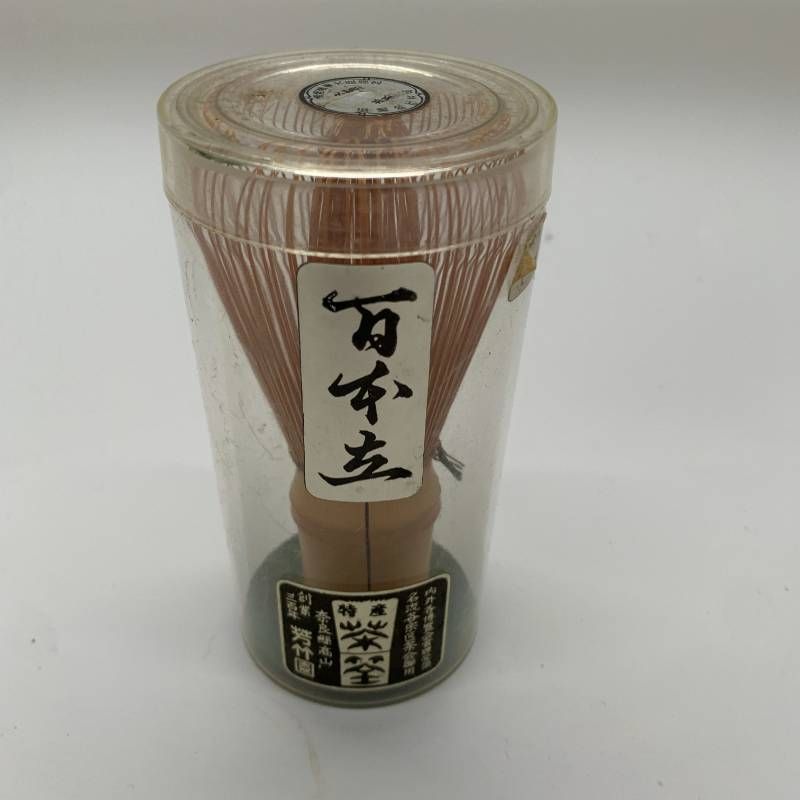
| Takayama chasen (高山茶筱) — Suikaen, Chikumeido, Hochikuen | Ikoma, Nara | Nearly every hand-made bamboo matcha whisk in Japan comes from one district; a 100-prong Hochikuen whisk is ¥1,458 on Mercari, Gion Tsujiri’s Japanese-made whisk ¥6,930. See the matcha-set guide for what a set should contain. |
| Matcha bowls (chawan) — Mino, Shigaraki, Kyo-yaki, Hagi, Raku | Gifu, Shiga, Kyoto, Yamaguchi | Everyday Mino-ware bowls from ¥1,980; Raku and Hagi for tea-ceremony use. |
| Kabazaiku tea caddies (構細工) — Yatsuyanagi, Fujiki Denshiro | Kakunodate, Akita | Cherry-bark chazutsu that keep leaf airtight; ¥11,000 for a 100 g Yatsuyanagi caddy today. Kaikado (Kyoto, est. 1875) makes the tinned-copper ones. |
| Zojirushi, Tiger, Balmuda | Osaka / Tokyo | Electric kettles and hot-water dispensers with 60–70 °C settings for sencha and gyokuro; the “Japanese tea kettle” searches usually mean these or a tetsubin. |
Japanese tea terms to read a listing
| Japanese | Reading | Meaning |
|---|---|---|
| 日本茶 / 緑茶 / お茶 | nihoncha / ryokucha / ocha | Japanese tea / green tea / tea (the word to search for leaf; 抹茶 matcha and ほうじ茶 hojicha are separate words) |
| 茶葉 / リーフ | chaba / leaf | loose leaf (as opposed to ティーバッグ tea bags or ペットボトル bottles) |
| 粉末 / 粉茶 | funmatsu / konacha | powdered tea (instant, not matcha) / fine-leaf tea |
| 薬茶 / 濃茶 | usucha / koicha | thin matcha / thick matcha (the two grades on Uji tins) |
| 新茶 / 一番茶 / 二番茶 | shincha / ichibancha / nibancha | new tea / first harvest / second harvest |
| 深蒸し / 普通蒸し | fukamushi / futsu-mushi | deep-steamed / normal-steamed |
| 産地 / 単一農園 | sanchi / tan-itsu noen | origin / single-estate |
| 有機 / 無農薬 | yuki / munoyaku | organic (JAS) / pesticide-free |
| 賞味期限 | shomi-kigen | best-before date (unopened leaf keeps 6–12 months; matcha is best within a few months of opening) |
| 功能性表示食品 / 特保 | kinosei hyoji shokuhin / tokuho | functional-claim food / FOSHU (the label on catechin teas such as Healthya and Tokucha) |
| カフェインレス / デカフェ | kafein-resu / dekafe | caffeine-free / decaf |
| 急頤 / 茶筱 / 茶朽 / 茶筒 | kyusu / chasen / chashaku / chazutsu | teapot / whisk / scoop / caddy |
| 水出し / 湯出し | mizudashi / yudashi | cold-brew / hot-brew (many bags say both) |
| 茶漬け / こんぶ茶 | ochazuke / kombucha | rice with tea poured over it / kelp tea (Japanese kombucha is not the fermented drink) |
| 茶道 / 茶の湯 | sado (chado) / chanoyu | the tea ceremony (the Japanese name for tea ceremony that the searches ask for) |
Where to buy Japanese tea from Japan
- Rakuten and Yahoo! Shopping carry the makers’ own shops (Gion Tsujiri, Itoh Kyuemon, Ito En, HARIO) and the tea wholesalers who stock Ippodo and Fukujuen; new, sealed, dated.
- Mercari Japan is where unopened gift tins and grower bags go — search the brand in Japanese plus 未開封 (unopened) and check the 賞味期限 date in the photos.
- Yahoo! Japan Auctions for teaware: Tokoname masters, old tetsubin, kabazaiku caddies.
- Amazon Japan lists Ito En, Yamamotoyama, Aiya and the Uji houses; note that food listings there do not always resolve through proxy search, so the links in this article point at Rakuten and Mercari stock.
- The tea houses themselves (Ippodo, Marukyu Koyamaen) ship abroad from their own sites at Japanese prices plus EMS; for everything else, buy at the source through a proxy.
Buying at the source works through a proxy service (the best ones compared, the cheapest fees); our matcha-set guide covers what a chasen, chawan and chashaku set should cost, and the stationery, knife and makeup brand guides follow the same format as this one.
Shipping and import rules for tea
- Carrier: sealed, shelf-stable tea ships by Japan Post (EMS, air, sea) and DHL; ECMS excludes food and drink[8], so US buyers use DHL (the full prohibited-items guide). Nothing refrigerated or fresh is accepted.
- Destination: Australia and New Zealand inspect food on arrival and can hold unlabelled leaf; commercially packed tea normally clears. Declare it as tea.
- Weight: a 100 g bag is 120 g packed; ten bags plus a kyusu is about 1.5 kg. Compare carriers on the shipping-time guide; duty thresholds are in the import-tax guide.
- Freshness: shincha is a spring product; buy sencha within the year on the pack and matcha in the smallest tin you will finish in a month or two.
Quick answers: the Japanese tea brand questions people search
| Question people search | Answer |
|---|---|
| Best Japanese green tea brand overall? | For leaf: Ippodo (Kyoto) if you want one name; Marukyu Koyamaen for matcha; Yamamotoyama or Ito En for everyday bags. For a bottle: Ito En Oi Ocha. The tables above give 40-plus brands by region and type. |
| Best Japanese matcha brands / most popular matcha brands in Japan? | Marukyu Koyamaen, Ippodo, Yamamasa Koyamaen and Horii Shichimeien for ceremonial grade; Itoh Kyuemon, Tsujiri and Nakamura Tokichi for Uji tourist houses; Aiya (Nishio) for the largest producer and the organic and culinary lines. |
| Best Japanese sencha / gyokuro / hojicha / genmaicha brands? | Sencha: Ippodo Kaboku, Fukujuen, Shizuoka fukamushi growers. Gyokuro: Yame (Hoshino), Uji (Kanbayashi, Horii). Hojicha: Ippodo Gokujo, Ujien Torami, Ito En bags. Genmaicha: Yamamotoyama, Ito En, Iyemon / Uji no Tsuyu. |
| Best Japanese green tea bags / loose leaf / bottled / powder brands? | Bags: Ito En, Yamamotoyama, Ippodo, OSK. Loose leaf: Ippodo, Fukujuen, Marukyu Koyamaen, regional growers. Bottled: Ito En Oi Ocha, Suntory Iyemon, Ayataka, Kirin Namacha. Powder (not matcha): Ito En Oi Ocha Koicha, Tsujiri instant, Maruyama Seicha. |
| Famous / authentic / high-quality / premium Japanese tea brands? | The Uji houses (Ippodo, Marukyu Koyamaen, Yamamasa Koyamaen, Kanbayashi Shunsho, Tsuen), Yamamotoyama in Tokyo, Hoshino in Yame. “Authentic” in practice means a named Japanese producer and a Japanese origin on the pack (産地), not a Japanese-sounding label. |
| Japanese green tea brands in the USA / UK / Canada / Australia / Singapore / India? | Ito En and Yamamotoyama have US subsidiaries; Ippodo has a New York shop and ships worldwide; Aiya sells through distributors in the US and Europe; OSK and Pokka are the Singapore and Malaysia supermarket brands. Everything else on this page ships from Japan through the search links here. |
| Japanese tea brands on Amazon / Costco / Kirkland? | Amazon US and UK carry Ito En, Yamamotoyama, Aiya, Ippodo (via Ippodo’s own listing) and Maeda-en. Costco’s Kirkland Signature green tea bags (matcha-blend sencha) are made by Ito En. |
| Japanese green tea vs Chinese green tea / vs matcha / vs normal green tea? | Japanese green tea is steamed, Chinese green tea is pan-fired, which is the grassy-versus-toasty difference. Matcha is Japanese green tea ground to powder and whisked whole; sencha is steeped and the leaf discarded. “Normal” supermarket green tea outside Japan is usually Chinese or blended. |
| Japanese green tea caffeine / decaf / for pregnancy? | Gyokuro and matcha carry the most caffeine per cup, sencha a moderate amount, hojicha and bancha the least, mugicha none. Decaf sencha exists from Shizuoka processors; caffeine-light choices are hojicha, bancha, genmaicha and mugicha. Health effects are outside this guide — ask a doctor about pregnancy or blood pressure. |
| Japanese green tea benefits / for weight loss / extract? | The catechin (EGCG) content is why Japan sells FOSHU teas such as Healthya and Iyemon Tokucha with a fat-metabolism claim, and why “Japanese green tea extract” capsules exist. This guide lists what the brands are; it makes no health claims. |
| Japanese green tea with rice / over rice / toasted rice? | With roasted rice in the leaf: genmaicha (玄米茶). Poured over rice as a dish: ochazuke (茶漬け), often with salmon, and the instant Nagatanien ochazuke packets. Green tea rice soup is the same dish. |
| Japanese tea ceremony name / green tea in Japanese / crossword clue (6 letters)? | The ceremony is sado or chado (茶道), also chanoyu; green tea is ryokucha and Japanese tea is nihoncha. The six-letter crossword answers are SENCHA and MATCHA; the three-letter one is CHA. |
| Japanese tea brands for milk tea / peach tea / jasmine / oolong / barley / black tea? | Milk tea: Kirin Gogo no Kocha, Nittoh Royal Milk Tea. Peach and fruit teas: Lupicia, Gogo no Kocha. Jasmine: Ito En and Suntory bottled jasmine tea. Oolong: Suntory Oolong Tea (since 1981). Barley: Hakubaku, Ito En, OSK. Black tea: Nittoh Kocha, Lupicia, and the wakoucha growers. |
| Japanese tea set / kettle / cup / pot brands? | Tokoname and Banko for kyusu, Nambu tekki (Iwachu) for cast iron, HARIO for glass, Takayama for whisks, Mino and Arita for cups and bowls, Zojirushi and Tiger for kettles with tea temperatures. The teaware table above has live prices. |
| What Reddit recommends (r/tea, r/matcha) for Japanese green tea brands? | The same short list comes up in every thread: Ippodo and Marukyu Koyamaen for matcha, Yamamotoyama and Ito En for bags, Hibiki-an and Yunomi for ordering leaves from Japan, and “buy from a Japanese grower on Rakuten” for sencha. Reddit ranks Yamamasa Koyamaen and Horii Shichimeien above the tourist houses for koicha. |
| Japanese green tea flavor, kinds and varieties — what is it called? | Japanese green tea is called ryokucha; the kinds are the type table above (sencha, gyokuro, matcha, hojicha, genmaicha, bancha, kukicha). Flavor: sencha is grassy and sweet, gyokuro is savoury (umami), fukamushi is thick and mild, hojicha is nutty and toasty, genmaicha is nutty from the rice. Tasting notes on Japanese packs use 旬味 (umami), 淓み (astringency) and 香り (aroma). |
| Japanese green tea ingredients, no sugar, unsweetened, expiration date, box, bulk? | Leaf tea has one ingredient: green tea (緑茶), sometimes with rice or matcha added; bottled green tea in Japan is unsweetened with vitamin C as an antioxidant, so “no sugar” is the default. The expiration date is a best-before (賞味期限), usually 6–12 months for sealed leaf. Gift boxes (ギフト箱) from the Uji houses and bulk packs (業務用, 500 g–1 kg) from Shizuoka processors are both searchable with the links here. |
| Making Japanese green tea: leaves, infuser, infuser bottle, accessories? | Use loose leaves in a kyusu with a built-in mesh (no separate infuser needed) or a HARIO cold-brew infuser bottle for mizudashi; 2–3 g of leaves per 100 ml, water below boiling for sencha. Accessories that matter: a kyusu, a tea caddy, a cooling bowl (yuzamashi) for gyokuro, and for matcha the whisk, bowl and scoop in {L(8976, “the matcha-set guide”)}. |
| Japanese green tea vs Indian green tea? With osmanthus? Yamashiro Uji? Yamecha? | Indian green tea (Darjeeling and Assam greens) is pan-fired and lighter; Japanese sencha is steamed and deeper. Osmanthus (金木犀, kinmokusei) blends are a Lupicia and Chinese-tea thing rather than a Japanese green tea tradition. Yamashiro is the Kyoto district Uji sits in, so “Yamashiro Uji matcha” is Uji matcha; Yamecha is Yame tea from Fukuoka. |
| Japanese-owned matcha brands, matcha brands ranked, matcha chocolate brands? | Every house in the matcha table is Japanese-owned (Ippodo, the two Koyamaens, Tsujiri, Itoh Kyuemon, Nakamura Tokichi, Aiya); many Western “matcha brands” repackage leaf from Aiya, Nishio or Kagoshima. Ranked by price and grade: Marukyu Koyamaen and Yamamasa Koyamaen, then Ippodo and Horii, then the Uji tourist houses, then Aiya and Kagoshima organic, then culinary. Matcha chocolate: Meiji Meltykiss, Royce’ Nama Chocolate matcha, the Kit Kat green tea flavour, and the Uji houses’ own sweets. |
| Japanese bubble tea brand? Sweet iced tea? Herbal tea brands? | Japan’s bubble tea chains are mostly Taiwanese imports (Gong Cha, Chatime); the Japanese-run ones are café chains, not tea brands. Sweet iced tea is not a Japanese category — the closest are Kirin Gogo no Kocha lemon tea and Lipton Japan; Japanese bottled green tea is never sweetened. Herbal and blended teas: Asahi Juroku-cha, OSK dokudami and hatomugi, sobacha, kuromame (black soybean) tea, and the Kagoshima and Okinawa barley and mugwort teas. |
| Japanese tea culture, ceremony, etiquette, experience, tea book? | Chanoyu (the tea ceremony) is a separate world with its own schools (Urasenke, Omotesenke, Mushakojisenke) and its own suppliers — Marukyu Koyamaen and Nakamura Tokichi name tins after the school masters. Everyday etiquette is simpler: pour for others first, hold the cup with both hands, refill hot water on the same leaves two or three times. For a tea experience in Kyoto, the Uji houses run tasting rooms; the standard book in English is Kakuzo Okakura’s The Book of Tea. |
| Highest-quality Japanese tea, diet and pregnancy questions, extract liquid, got caffeine? | The highest-quality leaf by price is Uji or Yame gyokuro and koicha-grade matcha from the two Koyamaens; the highest-quality everyday sencha is first-harvest fukamushi. Green tea has got caffeine in every form except mugicha; for a diet or during pregnancy people switch to hojicha, bancha or decaf sencha, and liquid green tea extract (catechin drops) is a supplement, not a tea — talk to a doctor, not a tea guide. |
| Japanese tea utensils, strainer, tray, pitcher, jar, urn, warmer, mugs with no handle, variety pack? | Utensils: kyusu (teapot), yunomi (the mugs with no handle), chataku (saucers), a tea tray (お盆), chazutsu (jar / caddy), a tea strainer (茶こし) if the pot has none, a cold-brew pitcher (水出しポット), a stovetop tetsubin, and a tea warmer (茶湯器) for gyokuro water. Variety packs (飲み比べセット) of three or four regional teas are a Mercari staple around {P(“d551a240b74788d4”)}–{P(“159662afc72b0277”)}. |
| Japanese tea drinking ceremony, etiquette, ritual, flavors, Tsujiri matcha review? | The drinking ritual for matcha: bow, turn the bowl a quarter turn, drink in three sips, wipe the rim. For sencha there is no ritual beyond hot-water-not-boiling and short steeps. Flavors across the range run from umami (gyokuro) to grassy (sencha) to toasty (hojicha) to nutty rice (genmaicha, the tea mixed with roasted rice). Gion Tsujiri’s matcha reviews well as a smooth usucha for lattes; for koicha, reviewers point to Marukyu Koyamaen. |
| Where do Japanese people buy tea? Don Quijote? Vending machines? | Supermarkets and Don Quijote for Ito En, Iyemon and Tsujiri bags; tea shops (chaho) and department-store basements for Uji leaf; vending machines and konbini for bottles. Online, the same houses sell on Rakuten, and unopened gift tins circulate on Mercari. |
FAQ
What are the best Japanese tea brands?
By type: Ippodo, Marukyu Koyamaen, Yamamasa Koyamaen and Horii Shichimeien for matcha; Ippodo, Fukujuen and the Shizuoka and Kagoshima growers for sencha; Yame’s Hoshino for gyokuro; Ito En and Yamamotoyama for tea bags and everyday leaf; Ito En Oi Ocha, Iyemon and Ayataka for bottles; Lupicia and Nittoh Kocha for black and flavoured teas; Hakubaku for barley tea. The tables above list more than forty.
Is Ito En a good brand?
It is the largest and the default: reliable everyday sencha, hojicha and genmaicha in bags and bottles, sold worldwide. It is not where you buy ceremonial matcha; that is the Uji houses and Aiya.
What is the most popular green tea in Japan?
Bottled, Ito En’s Oi Ocha; leaf, fukamushi sencha from Shizuoka and Kagoshima, sold under regional grower names rather than one brand.
Which Japanese matcha brands ship internationally?
Ippodo, Marukyu Koyamaen, Itoh Kyuemon and Aiya sell from their own sites or distributors; the rest of the Uji houses, and all the regional growers, are reachable through a proxy with the links in this article.
Is Japanese green tea the same as matcha?
No. Matcha is one kind of Japanese green tea — shaded, stone-ground, whisked whole. Sencha, gyokuro, hojicha, genmaicha and bancha are steeped leaf teas; all of them are Japanese green tea (ryokucha).
What is the Japanese word for tea?
お茶 (ocha) for tea in general and green tea by default; 日本茶 (nihoncha) for Japanese tea as a category; 紅茶 (kocha) for black tea; 麦茶 (mugicha) for barley tea.
Related reading
- Japanese matcha sets and tea ceremony ware from Japan: what a chasen really costs
- What you cannot ship from Japan (food, knives, batteries, perfume)
- Import tax and customs when buying from Japan
- Japanese knife brands · Japanese camera brands · Japanese stationery brands · Japanese makeup brands · Japanese jewelry brands — the other brand guides in this series
Last updated: 19 September 2026. Listing prices read from live Japanese listings on 19 September 2026; founding dates and regional facts from the makers’ own pages.
References
- Ippodo Tea — official site (est. 1717, Kyoto). ippodo-tea.co.jp
- Marukyu Koyamaen — official site (Uji). marukyu-koyamaen.co.jp
- Ito En — corporate site (Oi Ocha). itoen.co.jp
- Yamamotoyama — official site (est. 1690, Nihonbashi). yamamotoyama.co.jp
- Aiya — official site (Nishio matcha, est. 1888). matcha.co.jp
- Kanbayashi Shunsho Honten — official site (Uji). shunsho.co.jp
- Fukujuen — official site (est. 1790). fukujuen.com
- OneMall Support — International shipping method (ECMS food exclusion). support.onemall.jp