
 Shopping Guide
 HELP / FAQs


 By onemall
TL;DR
Bandai launched the Tamagotchi in Japan on November 23, 1996, and the little virtual pet is booming again in 2026. Prices run from ¥2,000 reissues to ¥150,000+ sealed vintage grails, and Japanese marketplaces hold the deepest, best-preserved stock. A proxy like OneMall lets you buy, consolidate, and ship these Japan-only listings worldwide.
- Released by Bandai on November 23, 1996; over 91 million units sold across generations.
- Rarest: sealed 1996–1997 P1/P2 originals, regional color exclusives, and limited brand collabs.
- 2026 prices: new models ¥4,000–¥8,000, reissues ¥2,000–¥3,500, loose vintage ¥3,000–¥10,000, sealed/collabs ¥20,000–¥150,000+.
- Deepest stock on Mercari, Yahoo Auctions, Suruga-ya, and Amazon Japan — mostly Japan-only.
- OneMall buys, inspects, stores up to 90 days (30 days after consolidation), and ships worldwide.
Few gadgets define a generation quite like the Tamagotchi. That tiny egg-shaped virtual pet chirped its way into millions of pockets in the late 1990s, and nearly three decades later it is having a full-blown revival. Whether you grew up feeding a pixelated blob or you are a collector hunting for a sealed 1997 original, one question comes up again and again: how much is a Tamagotchi, and where do you actually buy the good ones? The short answer is Japan — and this guide walks you through the history, the rarest and most expensive models, real-world prices, and the cheapest way to get one shipped to your door.
When Did Tamagotchi Come Out? A Quick History
If you have ever wondered when did Tamagotchi come out, the answer is November 23, 1996, when Bandai first released the device in Japan[1]. The name is a portmanteau of the Japanese word tamago (egg) and the English word “watch.” It reached North America and Europe in 1997, and the timing was perfect — the toy became a worldwide phenomenon almost overnight.
The concept was deceptively simple. You hatched a digital creature, then fed it, cleaned up after it, played with it, and disciplined it. Neglect it and it would “die,” which made the whole experience feel surprisingly emotional for a keychain gadget. Bandai has since sold more than 91 million units worldwide across dozens of iterations[2], from the monochrome originals to modern color-screen and app-connected versions like the Tamagotchi Uni.
Over the years the line expanded dramatically: the Tamagotchi Connection (2004) added infrared “marriage” between devices, the Tamagotchi Meets/On brought full-color parenting and genetics, and 2023’s Tamagotchi Uni added Wi-Fi. Understanding this timeline matters when you shop, because “vintage” P1/P2 units from the 1990s command completely different prices than current retail models.
The Rarest Tamagotchi and the Most Expensive Models
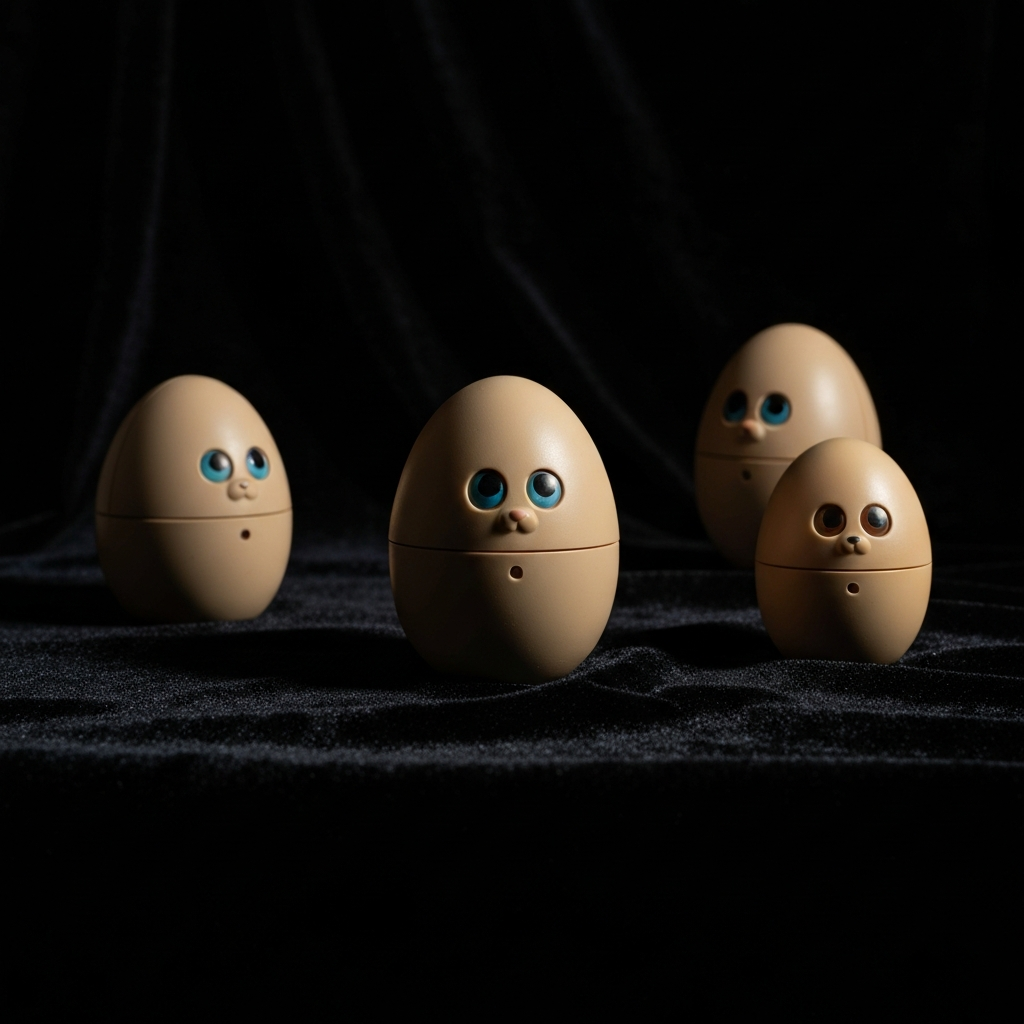
Ask any collector about the rarest Tamagotchi and a few legendary releases come up every time. Rarity is driven by limited production runs, regional exclusivity, celebrity or brand collaborations, and — crucially — sealed, unopened condition.
Which Are the Rare Tamagotchi to Watch?
- 1997 first-generation “P1” and “P2” originals — common when opened, but a factory-sealed unit in a pristine box is genuinely scarce and highly sought after.
- Regional color exclusives — certain shell colors were only sold in specific countries or through specific Japanese retailers, making them a challenge to complete a set.
- Brand collaborations — Tamagotchi has partnered with everything from Demon Slayer and Evangelion to Pac-Man, Hello Kitty, and even luxury and streetwear brands. Limited collab shells routinely resell for multiples of retail.
- Devil/Angel and Osutchi/Mesutchi variants — quirky spin-offs from the late 1990s that were never widely distributed outside Japan.
So what is the most expensive Tamagotchi ever? While everyday units sell for pocket change, sealed vintage originals and rare collaboration pieces have fetched hundreds of dollars, and museum-grade or one-off promotional units have been listed in the low thousands. On Japanese secondhand platforms, sealed 1996–1997 units and rare collab editions are regularly the headline lots[3]. The ceiling keeps rising as nostalgia-driven demand grows, but the reality is that the truly eye-watering prices attach to sealed condition and provenance, not just age.
How Much Is a Tamagotchi? Current Prices in 2026
Let’s get practical. How much does a Tamagotchi cost today depends entirely on whether you want new or vintage, loose or sealed.
- Brand-new modern models — Current devices like the Tamagotchi Uni and Tamagotchi Pix retail in Japan roughly in the ¥4,000–¥8,000 range (about $27–$55). Amazon Japan lists a wide selection of current models and colorways[4].
- Reissued “Original” nostalgia editions — Bandai’s re-released 1996-style shells are the cheapest Tamagotchi entry point, often ¥2,000–¥3,500 (about $14–$24) on Japanese marketplaces.
- Loose vintage 1990s units — Working but boxless P1/P2 originals typically run ¥3,000–¥10,000 ($20–$70) on Mercari and Yahoo Auctions depending on condition and color[5].
- Sealed vintage & rare collabs — This is where prices jump to ¥20,000–¥150,000+ ($130–$1,000+) and beyond for pristine, in-demand pieces.
The single biggest factor in how much is a Tamagotchi going to set you back is condition. A yellowed, battery-corroded original is worth a fraction of a clean, tested one, and a sealed box can be worth ten times a loose unit. Buying from Japan gives you access to the deepest inventory and, frequently, the best-preserved examples anywhere in the world.
| Type | Era | What it is | Where to buy | Typical price band |
|---|---|---|---|---|
| Brand-new modern (Uni, Pix) | Current | Color-screen, Wi-Fi / app-connected retail devices | Amazon Japan | ¥4,000–¥8,000 |
| Reissued “Original” nostalgia editions | 1996-style reissue | Cheapest entry point; monochrome re-release shells | Mercari, Amazon Japan | ¥2,000–¥3,500 |
| Loose vintage P1 / P2 | 1996–1997 | Working but boxless first-generation originals | Mercari, Yahoo Auctions | ¥3,000–¥10,000 |
| Sealed vintage & rare collabs | 1996–1997 / collab | Factory-sealed originals; limited collab shells (Demon Slayer, Evangelion, Hello Kitty, etc.) | Yahoo Auctions, Suruga-ya | ¥20,000–¥150,000+ |
How to Buy Tamagotchi from Japan (New & Vintage)
Here is the catch: the widest selection and lowest prices live on Japanese platforms — Mercari, Yahoo Auctions, Suruga-ya, and Amazon Japan — and most of them do not ship internationally or accept overseas payment cards. That is exactly the problem a proxy service solves. If you are figuring out how to buy Tamagotchi from Japan, a proxy buys the item on your behalf, receives it at a Japanese warehouse, and forwards it to you.
OneMall is built for exactly this. You paste a link from a Japanese store, OneMall’s team places the order, inspects the package, and ships it worldwide. Because Tamagotchi listings — especially rare vintage lots — sell out fast, OneMall’s robotic ordering system helps you secure limited or hot items before they vanish.
Where to Search
- Mercari Japan — the deepest well of loose vintage units and cheap reissues from individual sellers[5].
- Yahoo Auctions Japan — the go-to for sealed originals, rare collabs, and full-set collections, often via bidding[3].
- Suruga-ya — a specialist secondhand chain with graded retro toys and games at fair fixed prices.
- Amazon Japan — best for brand-new current models with reliable stock[4].
You can browse everything currently listed with a single Tamagotchi search on OneMall, or narrow it to a specific era with a vintage Tamagotchi search. For a broader primer on which platforms suit which collectibles, our guide to buying from Japan in 2026 breaks down the whole workflow.
Why OneMall Keeps the Total Cost Down
Proxy shopping only makes sense if the fees don’t eat your savings. OneMall charges service fees as low as ¥300 per item, and it supports Mercari, Yahoo Auctions, Suruga-ya, and Amazon Japan under one account. Two features matter most for collectors chasing multiple Tamagotchi at once:
- 90 days of free storage after arrival (30 days after consolidation) — hold a winning auction while you wait for other listings to appear, then ship everything together.
- Free package consolidation on your first 6 orders — combine several Tamagotchi (and anything else) into one box to slash international shipping costs.
Add professional inspection before dispatch and multiple carrier options, and OneMall turns a fragmented, Japanese-only shopping trip into a single, trackable checkout — often the cheapest realistic route to owning the exact model you want.
Conclusion: Start Your Tamagotchi Hunt
From the 1996 original to the Wi-Fi-enabled Tamagotchi Uni, this little digital pet has proven it is far more than a fad. Whether you want a ¥2,000 reissue to relive your childhood or you are chasing a sealed collector’s grail, Japan is where the best inventory lives — and a proxy is how you reach it. Start with a quick Tamagotchi search on OneMall, set your budget, and let the service handle the buying, consolidating, and shipping. Your next virtual pet is one click away.
See also: our round-up Buy Tamagotchi From Japan, Plus Game Boy, Switch 2 Games and Japanese Board Games covers Tamagotchi Paradise language settings and how to ship a Tamagotchi with other gaming orders in one box.
Frequently Asked Questions
When did the Tamagotchi come out?
Bandai released the first Tamagotchi in Japan on November 23, 1996, followed by a worldwide rollout in 1997[1]. More than 91 million units have been sold across the various generations since[2].
How much is a Tamagotchi and how much does a Tamagotchi cost today?
Prices vary widely by condition. Brand-new modern models like the Tamagotchi Uni run roughly ¥4,000–¥8,000, reissued originals (the cheapest Tamagotchi option) are often ¥2,000–¥3,500, loose vintage 1990s units land around ¥3,000–¥10,000, and sealed vintage or rare collabs can exceed ¥20,000–¥150,000.
What is the rarest Tamagotchi?
The rarest Tamagotchi tend to be factory-sealed 1996–1997 first-generation originals, regional color exclusives, and limited brand-collaboration shells. Sealed condition and provenance drive scarcity far more than age alone.
What is the most expensive Tamagotchi ever sold?
While everyday units cost only a few dollars, pristine sealed vintage originals and rare collaboration editions have sold for hundreds of dollars, with exceptional one-off and promotional pieces reaching the low thousands on Japanese auction platforms[3].
How do I buy a Tamagotchi from Japan?
Because Japanese marketplaces like Mercari, Yahoo Auctions, and Suruga-ya rarely ship overseas or accept foreign cards, the easiest route is a proxy service. OneMall buys the item for you, offers 90 days of free storage after arrival (30 days after consolidation) and free consolidation on your first 6 orders, and ships worldwide — with service fees a flat ¥300 per item.
Tamagotchi turns 30 on 23 November 2026 — the anniversary devices, magnets and collectibles are in our 2026 anniversary merch roundup.
Tamagotchi’s 30th anniversary items — Mametchi Memories, Tama Space, Collectibles and the exhibition goods — are covered with live prices in our Tamagotchi 30th anniversary guide.
References
- Bandai, official Tamagotchi brand and product information. https://tamagotchi.com/
- Bandai Namco, corporate and brand information. https://www.bandai.com/
- Yahoo Auctions Japan, Tamagotchi listings and completed sales. https://auctions.yahoo.co.jp/
- Amazon Japan, current Tamagotchi model listings. https://www.amazon.co.jp/
- Mercari Japan, secondhand Tamagotchi marketplace. https://www.mercari.com/jp/
Last updated: 2026-09-28.