
 Shopping Guide
 HELP / FAQs



 By onemall
TL;DR
As of September 2026, Japan’s most influential streetwear brands include KAPITAL, visvim, Cav Empt, Wacko Maria, Undercover, Needles, Yohji Yamamoto, FACETASM, A Bathing Ape, NEIGHBORHOOD, WTAPS, Human Made, sacai, COMME des GARÇONS, mastermind JAPAN, White Mountaineering, nanamica and SOPH. Born from 1990s Harajuku culture, they blend traditional Japanese craft with avant-garde design — and can be sourced worldwide through a proxy like OneMall.
Key Takeaways
- Japanese streetwear grew out of 1990s post-bubble Harajuku creativity.
- Key brands: KAPITAL (denim/Okayama), visvim (footwear/luxury), Cav Empt (graphics), Wacko Maria (rude style).
- Also essential: Undercover (avant-garde), Needles (workwear), Yohji Yamamoto (black tailoring), FACETASM (deconstruction).
- The graphic and military side: BAPE, NEIGHBORHOOD, WTAPS, Human Made, mastermind JAPAN.
- Sizing runs about one size small — a Japanese L is roughly a US M.
- Fans include artists like Kanye West, Drake and A$AP Rocky (visvim).
- Source these brands via a proxy like OneMall (commission is a flat ¥300 per item, and consolidation is free for your first 6 orders (then ¥100 per extra order) and up to 90 days of free storage after arrival (30 days after consolidation)).
In the 1990s, following the burst of the economic bubble in Japan, some young people with ideals and a penchant for Harajuku began to question the values of traditional large corporations and opened alternative small shops or established creative studios. This gave birth to numerous incredibly influential streetwear brands, marking the beginning of the Japanese streetwear scene!
Below are the eight labels that built the modern Japanese streetwear canon, each with the detail that actually explains its prices, followed by twelve more brands that complete the picture — twenty in total, updated for 2026.
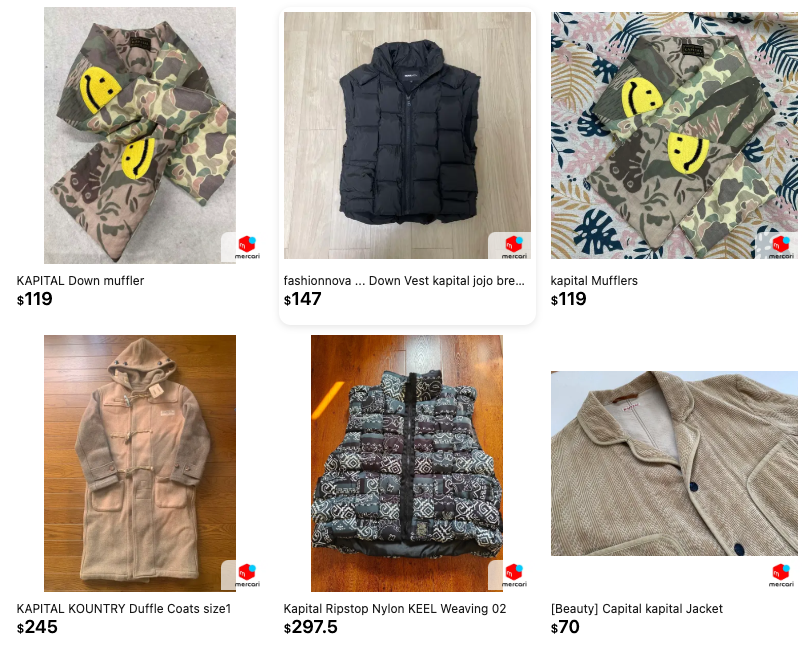
Founded in the 1980s, KAPITAL is a denim brand that has evolved into one of Japan’s most popular streetwear labels. Its emphasis on originality is its greatest strength!
Stepping into a KAPITAL store, you will sense a strong vintage atmosphere. Looking around at the interior decor, it feels no different from a typical American vintage shop, completely devoid of any commercial feel.
KAPITAL has a loyal following who appreciates the brand’s avant-garde designs. The owners and designers of KAPITAL are a father-son duo, Toshikiyo and Kiro Hirata. They employ Japanese handcrafted techniques in designing all their clothing, blending traditional vintage and dyeing techniques with avant-garde designs. What Kapital creates is not just clothes but a world of their own.
One of KAPITAL’s most popular pieces must be their indigo denim, as the brand is based in Okayama in western Japan—the birthplace of Japanese denim textile. Okayama is not only the prime location for denim production but also the perfect place to express a denim design identity.
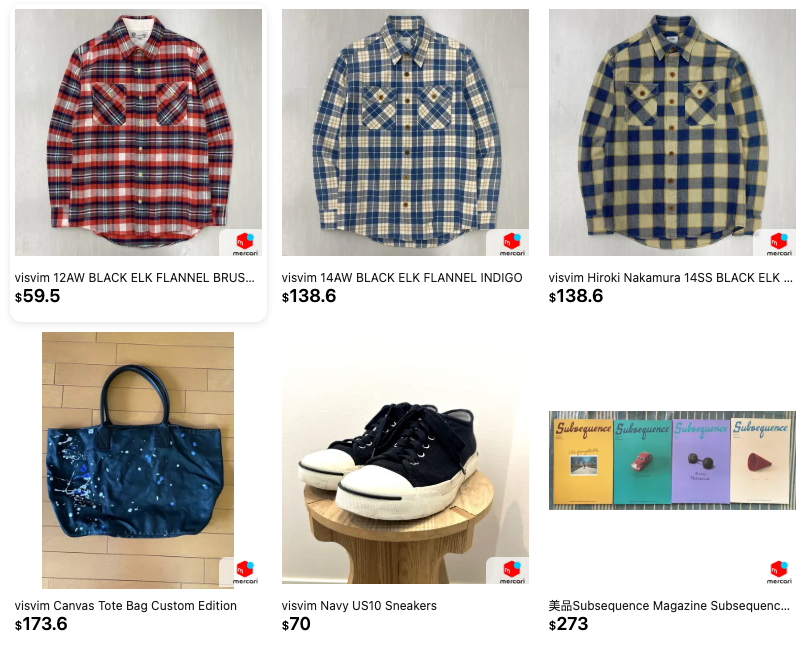
visvim is one of the most famous streetwear brands. Kanye West, John Mayer, Drake, and A$AP Rocky are all loyal fans of this Japanese company, especially its flagship product, the FBT. Initially focusing on footwear, visvim later expanded into ready-to-wear clothing, drawing inspiration from the founder Hiroki Nakamura’s travels.
Nakamura spares no effort in producing the finest products, known for using rare textiles and labor-intensive craft methods to create top-notch clothing.
“In the development and design process of visvim, the finest fabrics and intricate craftsmanship are used. It never mass-produces and adheres to the highest standards of production. Nakamura once said that visvim is the future of vintage fashion. Over time, more and more people will collect his products.”
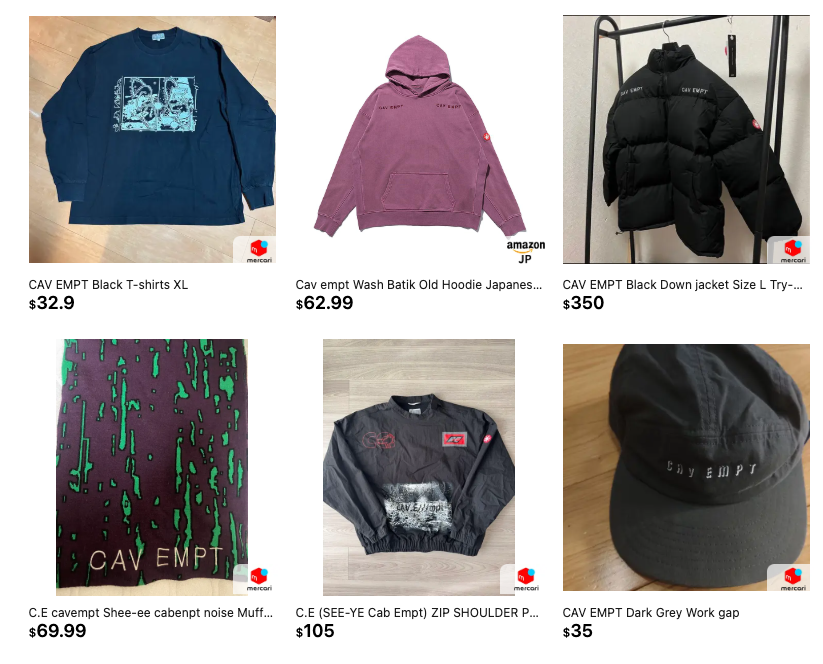
Cav Empt, the “irregular” Japanese streetwear brand, the term “cav empt” is an abbreviation for “caveat emptor,” which means “buyer beware” in Latin. It is mainly designed by the genius BAPE graphic designer Sk8thing and Toby Feltwell, the creative director of Pharell Williams’ clothing line. Cav Empt’s design is retro-futuristic, with its bold style standing out. In addition to being the riskiest brand in this article in terms of design, Cav Empt may also be one of the most prestigious brands.
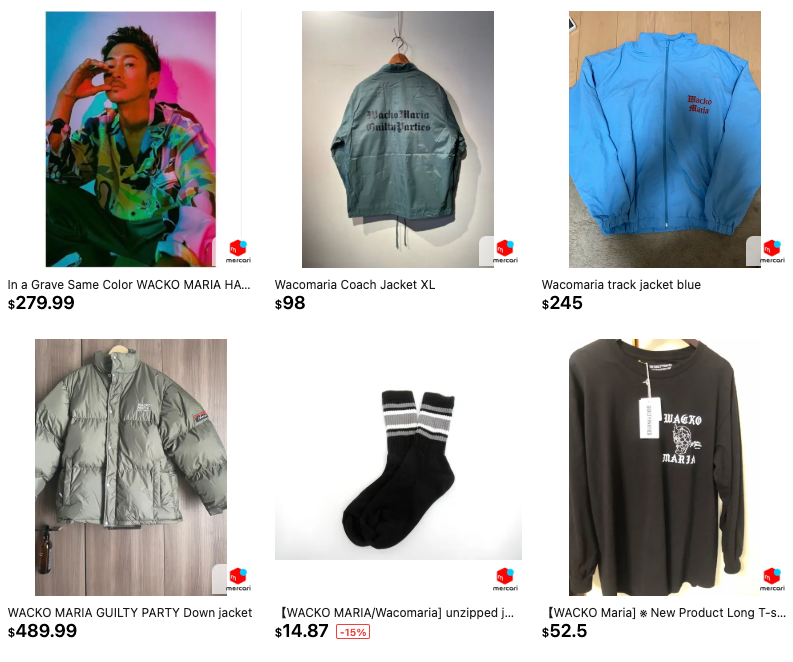
WACKO MARIA was founded by two former professional footballers, and offers a style distinct from American casual or rugged workwear. Its design language draws on music, nightlife, motorcycles and Latin and Hawaiian imagery, shaping the brand into what it calls a “Rude Style” with a deliberately bad-boy image. The open-collar rayon shirts are the signature, and the Guilty Parties sub-label carries most of the graphics.
WACKO MARIA’s design style includes tiger and leopard prints, brightly colored ukiyo-e tattoos, and violent and bloody skull graffiti. Each element pours out the most rebellious and volatile expression of American bad boy charm in this Japanese Rude Style brand.
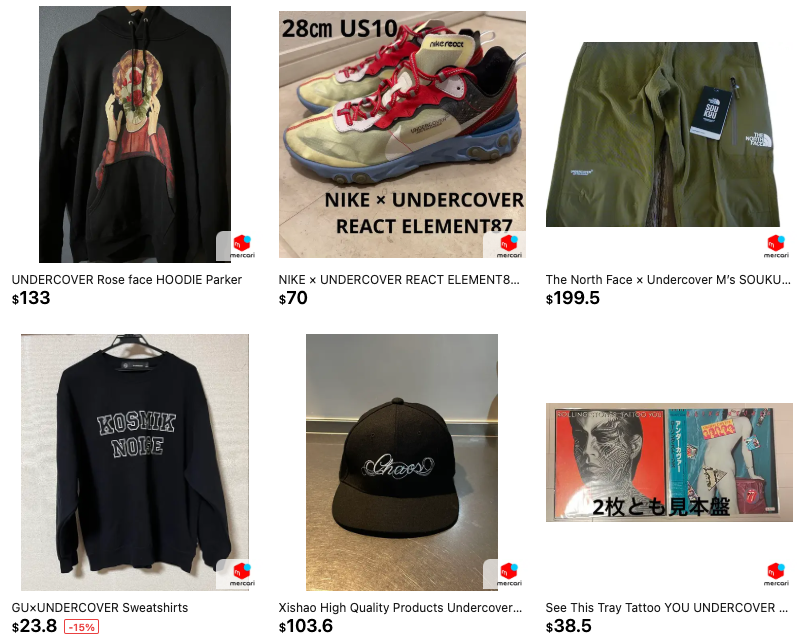
Undercover is a clothing brand founded by Japanese fashion designer Jun Takahashi in the early 1990s, known worldwide for its surreal, aesthetic, and bizarre style. Takahashi combines Japanese popular culture with punk aesthetics, creating some of the most popular streetwear designs in Japan. Initially focusing on streetwear, the brand later entered the Paris fashion scene, successfully expanding overseas and gaining international fame.
Today, Undercover is not only a legendary brand in the fashion world but also a focal point in the Paris fashion scene. Takahashi’s fashion designs are not only focused on menswear; the women’s collection is also outstanding. His design concept has always been bold and rebellious. As early as 1998, he launched the three-dimensional cut <Drape> series and played with reverse fashion in the 1999-2000 Fall/Winter Collection, where pants turn into skirts and denim skirts transform into evening wear, showcasing remarkable creativity and playfulness. This innovative approach propelled the brand into the Paris fashion scene.
Furthermore, Undercover regularly collaborates with renowned brands such as Doc Martens, Valentino, Nike, and Converse. Friends who enjoy collaborative collections should definitely not miss out!
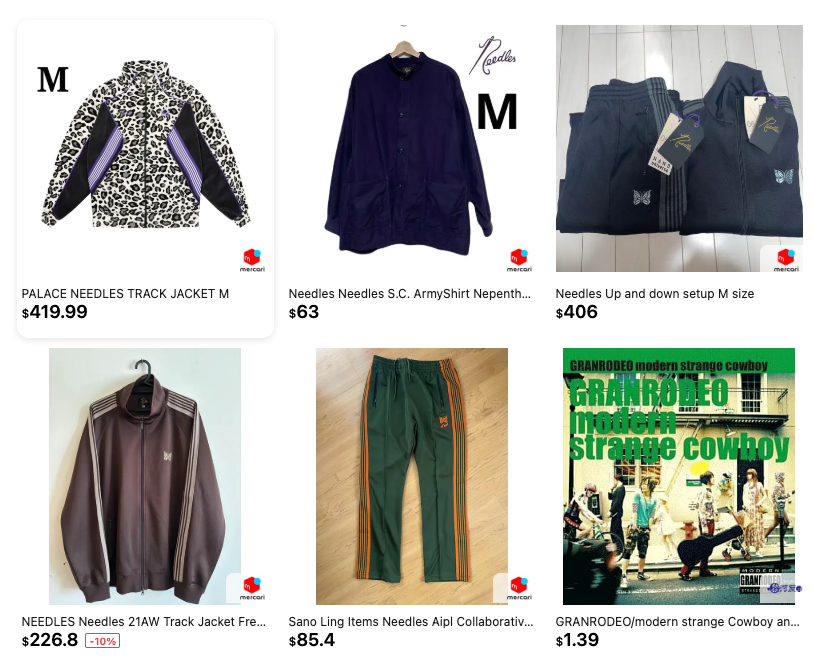
Headed by Keizo Shimizu, Needles is a brand under Nepenthes, drawing inspiration from classic American military and casual styles. With unique tailoring and distinctive patchwork techniques, the once mundane American workwear style is given a fresh new look. Needles’ designs are refined and may not appeal to many streetwear fans, yet they still garner a lot of admiration.
By blending classic elements with innovative reinterpretations, Needles brings a new perspective to American casual wear, Japanese vintage, and ethnic styles. Why not give Needles a try?
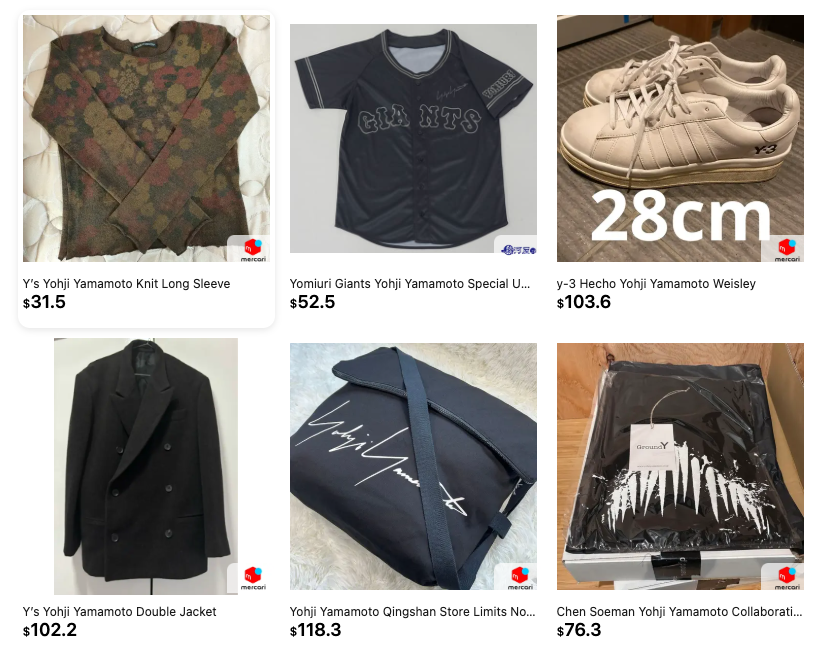
Yohji Yamamoto is one of the most respected fashion designers in Japan, alongside Rei Kawakubo and Issey Miyake, making up the trio of the most important Japanese fashion designers today. His brand has taken Japanese minimalism to a new level, winning the public’s affection with its timeless and simple designs.
Yohji Yamamoto, led by Yohji Yamamoto, never considers “popularity” in his creations and always stands out in the fashion industry, almost going against the mainstream. However, it is precisely because of these designs imbued with Eastern philosophical elements that Yohji Yamamoto continues to be the focus of attention from all sides.
One characteristic of his designs is that the clothes often hang loosely, featuring asymmetrical silhouettes and large, layered styles.
Another feature is that most garments are usually black, even in collaborations with brands like Doc Martens or Adidas, with black being the predominant color.
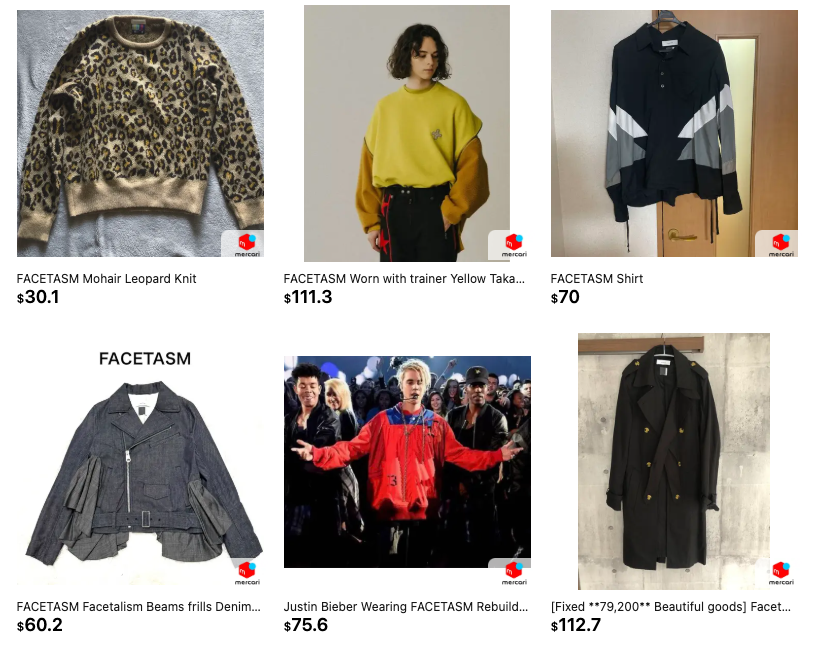
FACETASM, designed by Hiromichi Ochiai, is the most experimental label on this list. It works by taking a familiar garment — a rugby shirt, a trench, a knit — and cutting it apart, extending it or fusing it with something else, so the result is recognisable and wrong at the same time. Layered proportions, exposed seams and asymmetric hems are the house signatures. It shows on the Paris and Milan schedules and collaborates widely, which makes it one of the easier Japanese avant-garde labels to find in resale.
About OneMall Japanese Cross-border Shopping Agent Platform
OneMall provides professional Japanese website shopping and online auction agent services. The official website is directly connected to Japan Yahoo Auctions, Japan Amazon, Japan Rakuten Ichiba, and Yahoo Shopping Japan, serving as the official designated agent cooperation platform. If you wish to purchase products from other Japanese websites, simply copy and paste the product link directly into the search bar.
Top Japanese Streetwear Brands Compared
| Brand | Founder / base | Signature |
|---|---|---|
| KAPITAL[1] | Hirata father-son, Okayama | Indigo denim, Japanese handcraft |
| visvim[2] | Hiroki Nakamura | FBT footwear, rare textiles |
| Cav Empt | Sk8thing & Toby Feltwell | Retro-futuristic graphics |
| Wacko Maria | Tokyo | Open-collar rayon shirts, “Rude” prints |
| Undercover[3] | Jun Takahashi | Punk avant-garde |
| Needles[5] | Keizo Shimizu (Nepenthes) | Reworked workwear, patchwork |
| Yohji Yamamoto[4] | Yohji Yamamoto | Asymmetric black tailoring |
| FACETASM | Hiromichi Ochiai | Experimental streetwear |
The rest of the map: 12 more Japanese streetwear brands
The eight labels above are the avant-garde and craft end of Japanese streetwear. These twelve are the other half of the picture — the graphic, military, sport and hybrid brands that most people are actually searching for. Every name links to live Japanese listings, because several of them have no overseas store.
| Brand | Known for | Why it matters |
|---|---|---|
| A Bathing Ape (BAPE) | Shark hoodies, camo, Bapesta | The brand that exported Harajuku to the world; the camo and shark-face hoodie are its two permanent icons. |
| NEIGHBORHOOD | Biker and workwear | Motorcycle culture filtered through Japanese tailoring — heavy denim, savage tees and the Lo. Twill line. |
| WTAPS | Military patterning | Tetsu Nishiyama’s label rebuilds army garments to civilian proportions; the pieces are catalogued by code, not by name. |
| Human Made | Heavyweight Americana | Nigo’s post-BAPE project: duck graphics, heart logos, heavyweight loopwheel jersey and a steady stream of collaborations. |
| sacai | Hybrid construction | Chitose Abe splices two garments into one — an MA-1 that becomes a trench halfway down. The most copied idea in fashion this decade. |
| COMME des GARÇONS | Avant-garde, plus PLAY | Rei Kawakubo’s house; PLAY with the heart logo is the accessible entry, CDG SHIRT the everyday one. |
| JUNYA WATANABE | Deconstructed tailoring | A CdG line in its own right, best known for spliced denim and technical collaborations with Levi’s and The North Face. |
| mastermind JAPAN | Skull-and-crossbones luxe | The most expensive graphic tee in Japan, and the collaboration partner everyone eventually works with. |
| White Mountaineering | Outdoor tailoring | GORE-TEX and WINDSTOPPER shells cut like city clothing; the collaboration record with outdoor brands is long. |
| nanamica | Utility and THE NORTH FACE Purple Label | Understated technical clothing, and the house behind THE NORTH FACE Purple Label — a Japan-only line with a global cult. |
| SOPH. / F.C.Real Bristol | Football-derived sportswear | Hirofumi Kiyonaga’s labels turn football kit into everyday clothing; uniform experiment is the tailored sibling. |
| Engineered Garments | American workwear, rebuilt | Daiki Suzuki’s New York-made line under Nepenthes — the same house as Needles, and the other half of that story. |
Japanese streetwear by what you are actually shopping for
Techwear and outdoor
White Mountaineering, nanamica and THE NORTH FACE Purple Label are the core. Purple Label is the one to understand: it is a Japan-market-only line designed by nanamica, and the pieces do not appear in North Face stores anywhere else. White Mountaineering and THE NORTH FACE Purple Label are the search terms.
Denim and vintage-leaning
KAPITAL sits here as much as in the avant-garde bracket, alongside EVISU, Momotaro Jeans and Studio D’Artisan. Okayama is the centre of Japanese selvedge production, and most of these are made within an hour of each other.
Affordable and everyday
Not everything Japanese is four figures. CdG PLAY (CdG’s heart-logo line), Graphpaper, BEAMS and the Japanese runs of Onitsuka Tiger cover the entry tier, and the domestic used market on Mercari and Yahoo Auctions is where prices actually get reasonable.
Women’s and unisex
sacai, COMME des GARÇONS, Yohji Yamamoto and FACETASM all run full women’s collections, and most Japanese streetwear is cut loose enough to be worn unisex. Sizing is the real obstacle rather than the clothes: Japanese sizing runs roughly one size small, so a Japanese L is closer to a US M. Check the Japanese clothing size conversion chart before you order.
Where these brands actually are in Japan
Ura-Harajuku (the back streets behind Meiji-dori) remains the origin point and still holds BAPE, NEIGHBORHOOD and WTAPS flagships. Nakameguro is where the quieter labels sit. Shibuya covers the department store versions. In Osaka, Amerikamura is the equivalent district. If you are not going in person, the same stock circulates domestically on Mercari, Yahoo Auctions and 2nd STREET.
Cheap, expensive, and everything between
“Japanese streetwear” covers a price range of roughly two orders of magnitude, and the adjective in your search usually decides which half of it you want.
- Cheap and budget Japanese clothing brands. UNIQLO and GU cover the basics that everyone actually wears; WEGO and BEAMS sit a step up; and the domestic used market is where the good stuff gets affordable — Mercari, Yahoo Auctions and 2nd STREET carry the same pieces at a fraction of retail.
- Affordable but still designed. CdG PLAY (Comme des Garçons’ heart-logo line), Graphpaper, Journal Standard and the entry graphics from BAPE and Human Made.
- High quality at mid price. Needles, Engineered Garments, nanamica, White Mountaineering — this is the tier where Japanese construction quality is most obviously ahead of the price.
- The biggest and most famous names are BAPE, Comme des Garçons, Yohji Yamamoto, Undercover and sacai; the most expensive are visvim, mastermind JAPAN, Yohji Yamamoto and KAPITAL’s hand-worked indigo pieces.
- Underrated and niche. FACETASM, Graphpaper, N.Hoolywood, doublet, TIGHTBOOTH and Cav Empt are the labels people find after the obvious ones.
Y2K, early 2000s and vintage Japanese fashion
A large share of current interest is archival rather than seasonal. The Y2K and early-2000s Japanese look — baggy silhouettes, loud graphics, Ura-Harajuku-era BAPE, early Undercover, Number (N)ine — only exists on the second-hand market now, and that market is overwhelmingly domestic. The 1990s pieces that defined the scene are the same story. If you are hunting archive rather than current season, Yahoo Auctions is the primary source and Mercari is the secondary one; overseas resale sites are mostly reselling what came out of Japan in the first place.
By category: jackets, sneakers, bags, jewellery
- Jackets and coats. White Mountaineering and nanamica for technical shells, NEIGHBORHOOD and WTAPS for military cuts, Needles and Engineered Garments for workwear, Yohji Yamamoto for long black tailoring.
- Shoes and sneakers. Onitsuka Tiger and ASICS are the Japanese footwear names most people arrive at, alongside visvim’s FBT, the Bapesta, and Japanese-market colourways of Nike and New Balance that never leave the country.
- Bags. PORTER is the default answer — Yoshida & Co’s label, and arguably the most-used bag brand in Tokyo — with master-piece and Head Porter behind it.
- Jewellery and accessories. Goro’s is the legend, Japanese silver jewellery and Chrome Hearts Japan exclusives circulate domestically, and most streetwear labels run their own silver lines.
- Hoodies, tees and baggy fits. BAPE, Human Made, Cav Empt and Wacko Maria carry the graphics; Needles’ track pants are the baggy silhouette everyone actually buys.
- Kids, girls’ and women’s. BAPE Kids and Miffy collaborations cover children; sacai, Comme des Garçons and Yohji run full women’s lines; and most Japanese streetwear is cut loosely enough to work unisex.
Buying Japanese streetwear from the USA, UK, Europe, Australia, Canada and India
A handful of these brands have overseas stockists — BAPE, Comme des Garçons, sacai and Yohji Yamamoto have stores in London, New York, Paris and elsewhere. Most do not. Needles, WTAPS, Cav Empt, FACETASM, SOPH. and nanamica are largely Japan-market brands with limited wholesale abroad, and Japanese sizing, Japan-only colourways and Japan-only collaborations mean the domestic range is wider than any overseas one.
Plus-size and petite buyers should read the sizing note above carefully: Japanese ready-to-wear tops out earlier than US sizing, several of these brands use a 0–4 numbered scale, and outerwear in particular runs short in the sleeve. Check measurements in centimetres rather than trusting the letter.
Japanese street fashion is not only streetwear
“Japanese street fashion” and “Japanese streetwear” are two different searches. The brands above are streetwear — a menswear-led, graphics-and-workwear tradition. Japanese street fashion in the broader sense covers a set of subcultures that grew up in the same districts and are still photographed constantly: gyaru, lolita, kawaii and decora styling, goth and visual-kei looks, the Shibuya and Harajuku scenes documented in FRUiTS magazine, and the modern-kimono revival that mixes traditional pieces with contemporary ones. If your inspiration images are outfits rather than logos, that is the tradition you are looking at, and the second-hand market is where most of it lives.
Japanese vs Korean streetwear
The two get compared constantly and they genuinely differ. Korean streetwear is trend-led, moves fast, leans on clean logos and fits the current silhouette; Japanese streetwear is archive-led, slow, and built on fabric, construction and graphics with a long lineage. Korean brands are generally cheaper and easier to buy internationally. Japanese brands are more expensive, harder to get, and hold resale value far better. Neither is better — but if you want something in three years that is still worth something, the Japanese side is where that happens.
Caps, backpacks, shorts and the rest of the wardrobe
Caps and headwear come from the streetwear labels themselves and from Japanese specialists; backpacks and bags are PORTER territory; shorts, dresses and summer pieces are where sacai, Comme des Garçons and the smaller labels are most wearable outside Japan; and Japanese golf wear has become a category of its own, with several streetwear brands running dedicated golf lines. MUJI and GU round out the basics end alongside UNIQLO.
Types of Japanese street style, and what each is called
People arrive at this topic from very different places, so it helps to name the types. Urban and underground streetwear is the Ura-Harajuku lineage above — graphics, workwear and military. Techwear is the shell-and-cargo end, and cargo pants and zip-front shells are its uniform. Amekaji (American casual) is the vintage-denim and workwear tradition. Mode covers the black avant-garde of Yohji and Comme des Garçons. Visual kei and the emo, goth and grunge-adjacent looks come out of the music scene rather than the fashion one. And the cute and colourful side — kawaii, decora, gyaru — is a separate tradition again, mostly women’s and mostly second-hand now.
Similar questions come up constantly: which brands are premium, which are cool or edgy, which are female-led or women’s-first, which are ethical, and what is available locally in New York, London or anywhere else. The short answers: premium is visvim, Yohji and mastermind; the coolest depends entirely on which of the styles above you are in; sacai is the most prominent women-led house; ethical claims are rare and mostly unverified across the category; and local availability is thin everywhere outside Japan, which is the reason this page exists.
Where to buy, city by city
In Japan: Harajuku and Ura-Harajuku for the origin brands, Nakameguro for the quieter ones, Shibuya and Shinjuku for department-store versions, Ginza for the luxury lines, Kyoto for a smaller but well-curated scene, and Amerikamura in Osaka for the second-hand and vintage side. Outside Japan there are flagships in London, New York, Paris and Hong Kong for a handful of brands, and near-nothing for the rest — which is why buyers in Singapore, Malaysia, the Philippines, Australia, New Zealand, Canada, Vancouver and Melbourne end up importing. Japanese jewelry, silver and accessories are almost entirely domestic-only.
Other Japanese brand categories
If it is Japanese brands generally rather than clothing specifically, our companion roundups cover Japanese guitar brands, Japanese skincare brands and the most expensive BE@RBRICK, and there are dedicated guides to Japanese knife brands and Seiko and Japanese watches.
Sizing, and the two other Japanese brand lists
The single most common mistake buying Japanese clothing from overseas is ordering your usual size. Japanese sizing runs about one size smaller than US sizing, letters and 号 numbers coexist, and several of these brands use their own numbered scale (0–4) instead of S–XL.
If you are shopping Japanese brands more widely, we have two companion roundups: Japanese guitar brands and Japanese skincare brands.
How to Buy from Japan with a Proxy (Step by Step)
- Create a free account at OneMall.
- Search a brand name (e.g. KAPITAL, visvim, Undercover) or paste a Japanese listing link.
- Place your order; OneMall’s domestic commission is a flat ¥300 per item, and consolidation is free for your first 6 orders (then ¥100 per extra order) and up to 90 days of free storage after arrival (30 days after consolidation).
- Consolidate several pieces in the warehouse to save on shipping.
- Choose international shipping, pay, and track your parcel home.
Frequently Asked Questions
What defines Japanese streetwear?
A blend of traditional Japanese craftsmanship with avant-garde design, rooted in the creative Harajuku scene of the 1990s.
Which Japanese streetwear brands are most collectible?
Cav Empt and visvim are especially sought-after for their limited runs and rare textiles.
Where can I buy Japanese streetwear from overseas?
Through a proxy such as OneMall, which sources from Rakuten, Yahoo Auctions, Amazon Japan and Yahoo Shopping Japan, with commission is a flat ¥300 per item, and consolidation is free for your first 6 orders (then ¥100 per extra order) and up to 90 days of free storage after arrival (30 days after consolidation).
Is KAPITAL denim really from Okayama?
Yes. KAPITAL is based in Okayama in western Japan, the birthplace of Japanese denim textile.
Can I ship these brands to the U.S.?
Yes, though note that the U.S. de minimis $800 duty-free exemption was revoked on 29 August 2025, so parcels may now incur duties, and Japan Post resumed overseas shipping on 14 April 2026.
Related guides
References
- KAPITAL — official site
- visvim — official site
- UNDERCOVER — official site
- Yohji Yamamoto — official site
- Nepenthes (Needles, Engineered Garments) — official site
- Cav Empt — official site
- A Bathing Ape — official site
- NEIGHBORHOOD — official site
- WTAPS — official site
- sacai — official site
- SOPH. / F.C.Real Bristol — official site
- nanamica — official site
- White Mountaineering — official site
Last updated: 2026-09-28.