
 Shopping Guide
 HELP / FAQs


 By onemall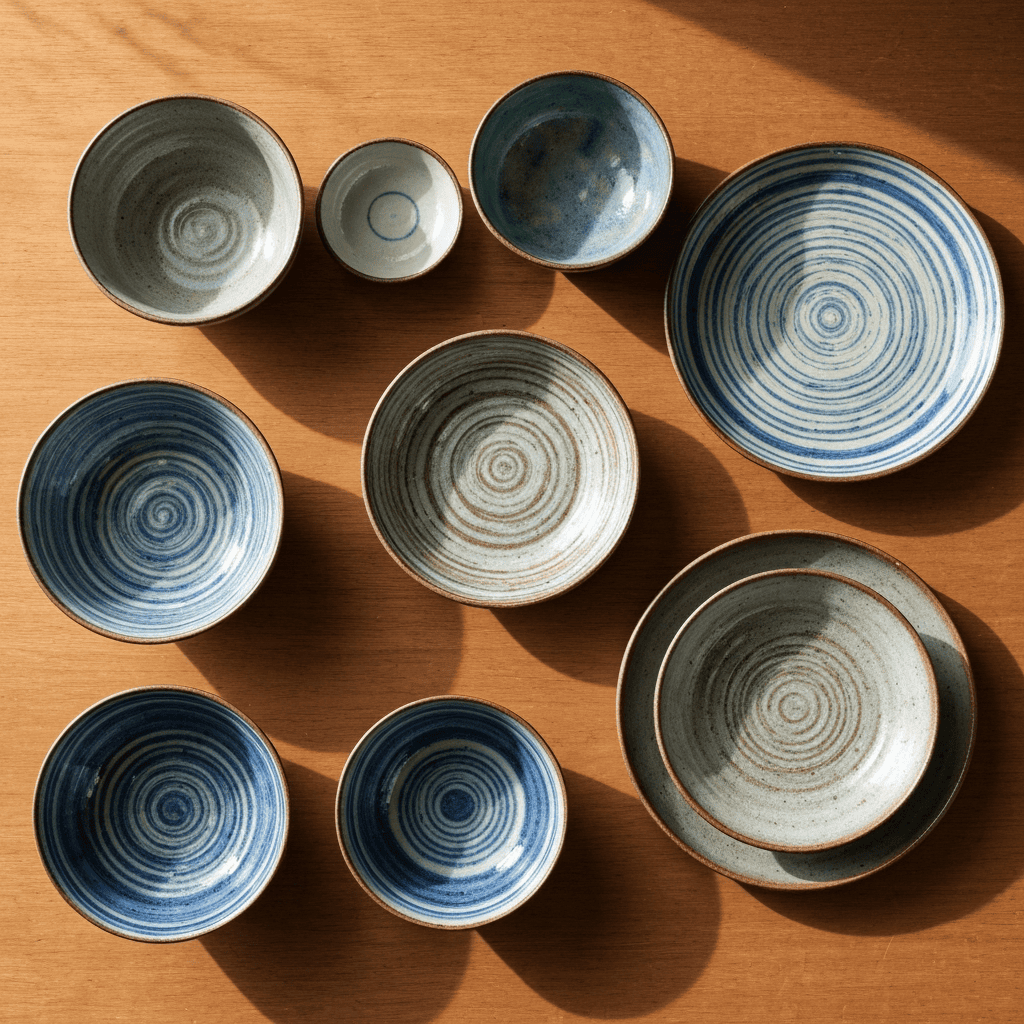
The 2026 home-cafe wave has a new obsession: authentic, kiln-fired Japanese tableware. As matcha lattes, donburi bowls, and slow “wabi-sabi” table settings flood social feeds, shoppers are learning what collectors already knew — a mass-produced import can never match the weight, glaze, and hand-painted soul of a real Arita or Mino piece. The good news? Buying directly from Japan is now the cheapest way to own the genuine article, and this guide shows you exactly how.
TL;DR
To buy authentic Japanese ceramics cheaply, shop domestic Japanese marketplaces (Mercari, Yahoo Auctions, Rakuten) where kiln pieces sell for a fraction of export prices, then use a proxy like OneMall to order, consolidate, inspect, and ship them home. As of August 2026, this is the cheapest way to buy real Arita, Mino, Hasami, and Kutani tableware from Japan.
- Cheapest source — domestic Mercari/Yahoo Auctions listings are 40-70% below Western retail for the same kiln.
- Know the kilns — Arita & Imari (Saga), Mino (Gifu), Hasami (Nagasaki), Kutani (Ishikawa), Mashiko (Tochigi).
- Fragile-item care matters — always add professional inspection and careful packing before international shipping.
- Consolidate to save — OneMall’s first 6 orders ship free to your locker, cutting shipping 30-50%.
- Buy from Japan, not resellers — you pay the Japanese price plus a service fee a flat ¥300 per item.
Why 2026 Is the Year to Buy Authentic Japanese Ceramics From Japan
Japanese ceramics — 和食器 (washoku-ki) — are having a genuine moment. The rise of the home-cafe aesthetic, matcha culture, and rustic donburi dinners has pushed demand for handmade tableware to its highest level in years. Japan remains one of the world’s largest and most trusted e-commerce markets[1], and its second-hand platforms are overflowing with lightly used and unused kiln pieces at prices Western shoppers rarely see.
Here is the honest opinion: mass-produced “Japanese-style” ceramics sold abroad are usually machine-stamped stoneware with printed decals. A real Arita porcelain plate or a hand-thrown Mino ware bowl carries a glaze depth, a translucency, and a maker’s mark that factory imports simply cannot fake. When you can buy the authentic piece from Japan for less than the imitation costs at home, the choice makes itself. This guide is the cheapest way to buy Japanese stuff online without overpaying a middleman.
The Big Five Kiln Regions (and What to Buy From Each)
Before you shop, learn the regions. Each kiln has a signature look, and knowing them helps you search smarter and spot fakes. Below is a quick comparison of Japan’s most collected pottery traditions and typical second-hand price bands as of August 2026.
| Kiln (region) | Prefecture | Signature style | Best for | Typical used price (¥) |
|---|---|---|---|---|
| Arita / Imari | Saga | Fine white porcelain, blue-and-white sometsuke, gold overglaze | Plates, sake cups, rice bowls | ¥1,000-8,000 |
| Mino | Gifu | Rustic Oribe green & Shino cream glazes; huge variety | Everyday donburi bowls, mugs | ¥800-5,000 |
| Hasami | Nagasaki | Clean, modern, durable everyday porcelain | Stackable dishes, cups | ¥900-4,000 |
| Kutani | Ishikawa | Bold five-color overglaze (aote), vivid painting | Display plates, tea bowls | ¥2,000-15,000 |
| Mashiko | Tochigi | Earthy folk-craft (mingei) glazes, matte textures | Matcha chawan, rustic mugs | ¥1,500-9,000 |
For a matcha home-cafe setup, look at Mashiko chawan and Mino tea bowls. For elegant dinnerware, Arita and Kutani plates are unmatched. Everyday users who want cheap, chip-resistant pieces should start with Hasami-yaki.
New vs Vintage vs Artisan — Which Should You Buy?
| Type | Price | Pros | Watch out for |
|---|---|---|---|
| New / unused (未使用) | Low-mid | Pristine, often boxed, gift-ready | Confirm it is a named kiln, not generic |
| Vintage / used (中古) | Cheapest | Best value; character & patina | Check photos for hairline cracks (ひび) & chips (欠け) |
| Contemporary artisan | Highest | Signed, one-of-a-kind studio work | Verify the maker’s mark and box (tomobako) |
Where to Find the Cheapest Authentic Pieces
The cheapest authentic ceramics live on Japan’s domestic marketplaces, not on export storefronts. Three platforms dominate:
- Mercari Japan[2] — the deepest well of second-hand kiln tableware; households constantly clear out boxed, unused sets from estates and gifts.
- Yahoo Auctions Japan[3] — best for rare Kutani, antique Imari, and signed artisan work; bid low, win cheap.
- Rakuten[4] — for brand-new, warranty-backed sets straight from kiln shops.
Search in Japanese for the best results and lowest prices: 有田焼 (Arita), 美濃焼 (Mino), 波佐見焼 (Hasami), 九谷焼 (Kutani), 和食器 (tableware), 丼 (donburi), 抹茶碗 (matcha chawan), and ぐい呑 (sake cup). The catch: most of these sellers do not ship internationally and only accept a Japanese address and payment. That is exactly the gap a proxy service fills, and it is the cheapest way to buy from Japan.
How OneMall Makes Buying Ceramics From Japan Cheap and Safe
A proxy (or “buy-from-Japan”) service gives you a Japanese address, buys on your behalf, and forwards the parcel. OneMall is built for exactly this, and its features matter more than usual when you are shipping something breakable:
- AI Image Search — screenshot a bowl you love and OneMall finds matching listings across Mercari, Yahoo Auctions, Rakuten, and more, so you never miss a cheaper duplicate.
- 90 days of free storage — buy pieces one at a time as you find deals, and hold them in your OneMall locker while you build a full dinner set.
- Consolidation that saves 30-50% — combine multiple sellers into one box; your first 6 orders are consolidated free, then just ¥100 per additional order.
- Professional inspection & careful packing — staff verify the item and cushion each fragile piece before it ever leaves Japan, drastically cutting breakage risk.
- Multiple carriers — choose EMS via Japan Post[5] or DHL depending on speed and budget.
Fees are transparent: service fees are a flat ¥300 per item — never zero, but far below what a reseller marks up. For a deeper walkthrough of proxy shopping, see our pillar guide on buying from Japan the cheapest way.
Step-by-Step: The Cheapest Way to Buy Japanese Ceramics From Japan
- Step 1 — Find your pieces. Search Japanese keywords (有田焼, 美濃焼, 和食器) on Mercari or Yahoo Auctions, or upload a photo to OneMall’s AI Image Search. Zoom into every photo for hairline cracks and chips.
- Step 2 — Order via OneMall. Paste the item URL into OneMall; it buys on your behalf using a Japanese address and settles the domestic payment for you.
- Step 3 — Consolidate. Let purchases collect in your locker during the 90-day free storage window, then merge them — first 6 orders free, ¥100 each beyond.
- Step 4 — Inspect & add careful packing. Request professional inspection and premium packing for fragile ceramics; add unboxing photos so you see the exact condition before shipping.
- Step 5 — Choose shipping. Pick EMS for a balance of price and speed, or DHL when you want it fast; heavier stoneware sets favor EMS for value.
- Step 6 — Receive. Your consolidated, well-packed box arrives; keep the packaging until you have confirmed every piece is intact.
Because ceramics are heavy and breakable, Step 4 is non-negotiable — it is where OneMall’s inspection and packing quietly saves you from a shattered arrival.
Customs, Taxes & What It Actually Costs
Personal-use tableware is straightforward to import, but always confirm your own country’s rules. US buyers benefit from a de minimis threshold administered by U.S. Customs and Border Protection[6], while other duty and consumption-tax details for goods leaving Japan are published by Japan Customs[7] (as of 2026). Ceramics carry no special restrictions, but their weight makes consolidation the single biggest lever on your total cost.


Browse more authentic Japanese ceramics & tableware on OneMall →
Frequently Asked Questions
What is the cheapest way to buy authentic Japanese ceramics from Japan?
Buy directly from Japanese domestic marketplaces like Mercari and Yahoo Auctions, where used and unused kiln pieces sell for 40-70% below Western retail, then use a proxy such as OneMall to order, consolidate, inspect, and ship. Paying the Japanese price plus a service fee a flat ¥300 per item is far cheaper than any imported alternative.
How do I know a piece is genuine Arita, Mino, or Kutani?
Look for the kiln name in the listing (有田焼, 美濃焼, 九谷焼), a maker’s mark on the base, and — for higher-end pieces — an original wooden box (tomobako). OneMall’s professional inspection can verify the item and photograph the mark before it ships.
Won’t fragile ceramics break in transit?
Not if they are packed properly. Request OneMall’s professional inspection and careful packing for fragile items; each piece is individually cushioned. Consolidating into one sturdy box and choosing EMS or DHL further protects your order.
Do I have to pay customs on Japanese tableware?
It depends on your country and order value. US shoppers benefit from a de minimis threshold, while other regions apply duty and tax above their own limits. Ceramics have no special import restrictions — check your local customs rules before ordering.
Can I mix pieces from different kilns and sellers into one shipment?
Yes. That is the whole point of consolidation. Buy an Arita plate, a Mino donburi, and a Mashiko chawan from three different sellers, hold them in 90-day free storage, then combine them — your first 6 orders consolidate free, cutting shipping 30-50%.
Last updated: 2026-08-19.
References
- JETRO, Japan External Trade Organization — Japanese market & e-commerce overview. https://www.jetro.go.jp/en/
- Mercari — Japan’s largest consumer-to-consumer marketplace. https://about.mercari.com/en/
- Yahoo Auctions Japan — online auction platform. https://auctions.yahoo.co.jp/
- Rakuten — Japanese online shopping mall. https://www.rakuten.co.jp/
- Japan Post — EMS international shipping service. https://www.post.japanpost.jp/int/ems/index_en.html
- U.S. Customs and Border Protection — de minimis / duty information. https://www.cbp.gov/trade/basic-import-export
- Japan Customs — export and consumption tax information. https://www.customs.go.jp/english/