
 Shopping Guide
 HELP / FAQs


 By haojiazhou
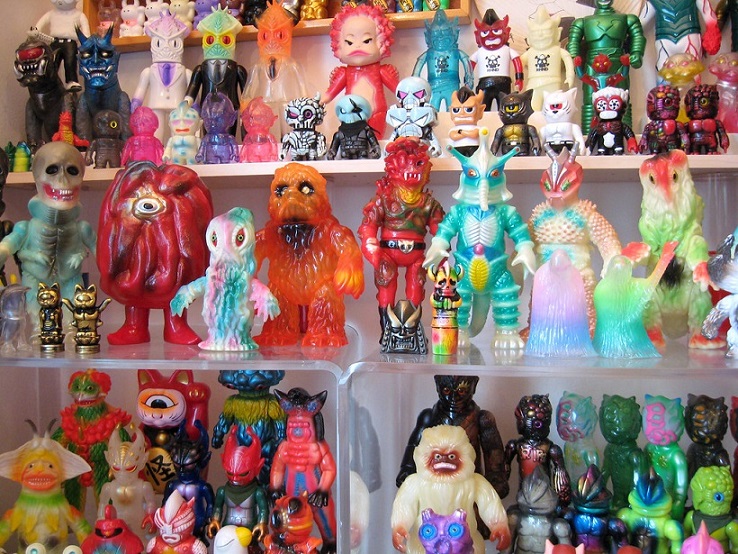
In the realm of Japanese toy collectors, there exists a truly exceptional category that has captured the hearts of enthusiasts with its rarity and distinctive designs. Picture this: Ultraman, Godzilla, Gundam, Mazinger Z, and the valiant Voltes V—icons of Japanese pop culture that transcend the screen to become intricately crafted stars of collectors’ showcases. Welcome to the mesmerizing world of Sofubi, charming vinyl toys that carve out their unique niche in the vibrant landscape of toy culture.
TL;DR
As of August 2026, sofubi (from “soft vinyl”) are collectible Japanese vinyl toys depicting kaiju, tokusatsu heroes and folklore figures. Born in the 1950s–60s alongside the Godzilla and Ultraman craze, each piece is rotationally cast from a metal mold and then hand-painted in small batches — making sofubi a handcrafted, limited-run collectible art form.
- “Sofubi” blends the Japanese pronunciations of soft (ソフト) and vinyl (ビニール).
- The 1960s kaiju craze (Godzilla, Ultraman) launched sofubi’s golden age.[1]
- Figures are made by rotational casting into metal molds, then hand-painted in limited batches.
- Brands like Medicom Toy and Max Toy collaborate with independent artists on limited editions.
These treasures, crafted from soft vinyl, embody iconic Japanese monsters, superheroes, folklore figures, and cultural symbols. Their origins trace back to the 1950s, when Japanese craftsmanship and design first ventured into this material. Today, Sofubi stands as the epitome of collectible art, meticulously created by independent artists and renowned companies alike.
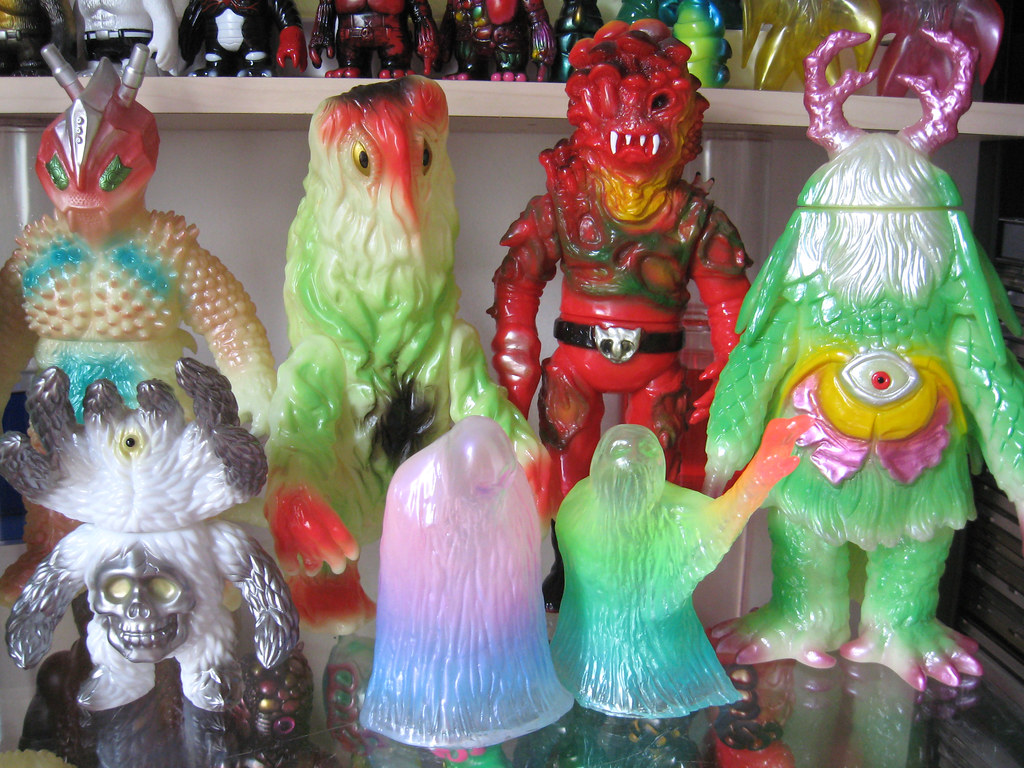
This guide serves as your introduction to the captivating universe of Sofubi: what they are, how they are made, the creators behind them, and the stories that surround their creation and sale. Together, let us journey through the history of these remarkable artifacts—from their celebrated beginnings to their current status as coveted collectibles.
Step into the World of Sofubi
“Sofubi” (ソフビ) is an abbreviation of “soft vinyl” and refers to Japanese vinyl toys with a soft texture. The term cleverly combines the Japanese pronunciations of “soft” (ソフト) and “vinyl” (ビニール). These figures evoke the retro aesthetics of the 1960s to the 1980s, inspiring nostalgia for a bygone era. Their designs often echo classic monsters and tokusatsu (special effects) heroes.
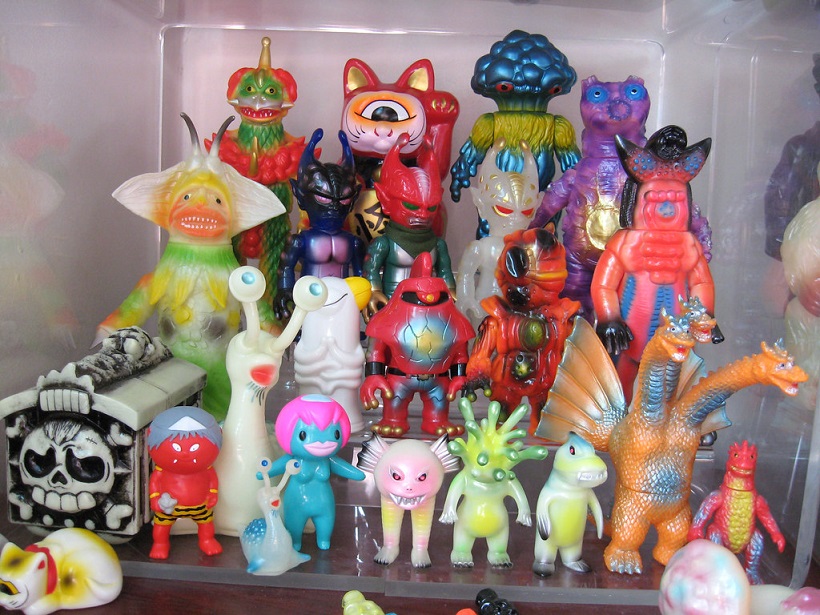
Modern Sofubi is largely infused with original designs deeply rooted in traditional Japanese culture. Some draw inspiration from folklore and legends, while others dazzle with psychedelic colors and patterns. Unlike mass-produced toys, Sofubi is the product of master craftsmanship. Each piece is created in limited batches, making it a three-dimensional art form that captures the creative essence of its maker.
Renowned brands like Medicom Toy and Max Toy frequently collaborate with independent artists to produce limited-edition collections, turning each figure into a prized collectible.
The Journey of Sofubi
In the 1950s, Japan pioneered the development of toys made from soft vinyl as an alternative to celluloid—a material that was both more durable and accessible.
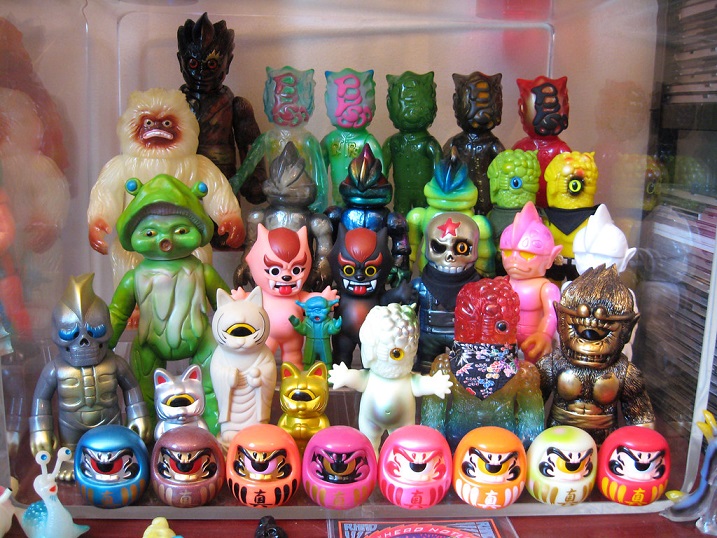
By the 1960s, with Godzilla becoming a cultural icon, a monster craze swept across Japan. Sofubi toys perfectly captured the rugged textures and intricate details of these creatures, earning their place as some of the most sought-after toys of the era. The 1970s and 1980s introduced a surge of popularity with superheroes like Kamen Rider and Ultraman, further solidifying Sofubi’s status.
Originally intended for export to bolster Japan’s post-war economy, Sofubi gained global acclaim. In the 1990s, as Japan’s street culture rose to prominence, these toys experienced a revival. Brands like Beams reintroduced nostalgic figures like Ultraman, while independent artists began creating unique designs that rejuvenated the Sofubi scene.
The Art of Sofubi Creation
The birth of a Sofubi figure begins with an idea brought to life through a hand-drawn or digital sketch. This concept is transformed into a three-dimensional wax prototype, serving as the foundation for subsequent stages. The wax model undergoes an intricate electroforming process to create a metal mold, the cornerstone of production.
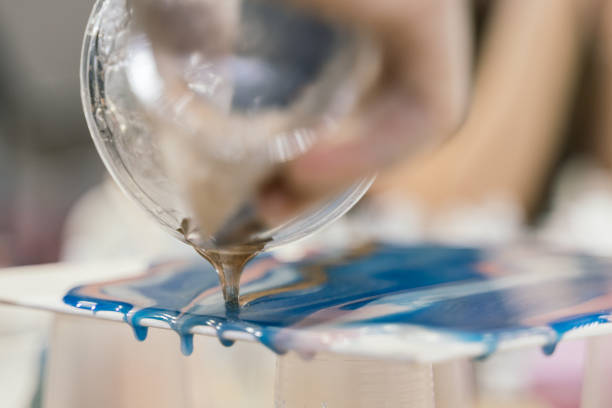
Using this mold, liquid vinyl is rotationally cast into the desired shape. The figures are then hand-painted, imbuing them with vibrant colors and distinctive details. This meticulous process, requiring specialized expertise, limits production to small quantities.
The Secret Behind Their Allure
Sofubi transcends the realm of toys—they are art pieces imbued with nostalgic charm. Their limited availability and intricate craftsmanship elevate them to exclusive collectibles. As Teresa Chiba, a celebrated Sofubi artist, eloquently states, “Sofubi carries the warmth of human touch; they are crafted by hands, not machines.”
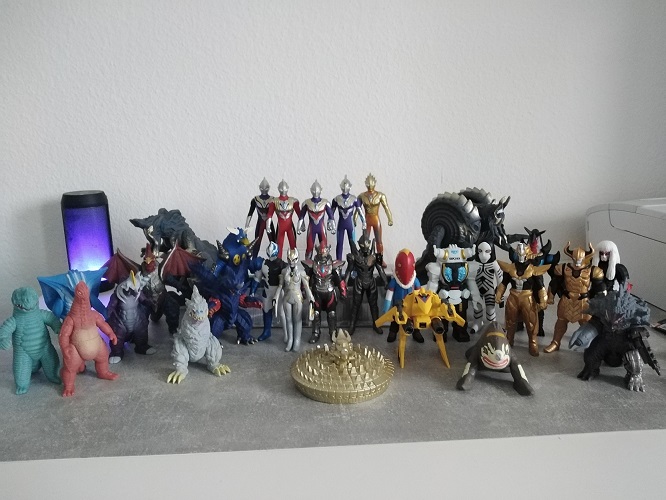
Owning a Sofubi is akin to possessing a fragment of history, a work of art, and a timeless memory—a bridge to the past and a treasure for the future.
Sofubi Through the Decades
| Era | Development |
|---|---|
| 1950s | Japan pioneers soft-vinyl toys as a durable, accessible alternative to celluloid |
| 1960s | Godzilla-fueled monster craze makes sofubi kaiju among the most sought-after toys |
| 1970s–1980s | Superheroes like Kamen Rider and Ultraman cement sofubi’s popularity |
| 1990s onward | Street-culture revival (e.g., Beams reissues) plus independent artists rejuvenate the scene |
Frequently Asked Questions
What does “sofubi” mean?
It is an abbreviation of “soft vinyl,” combining the Japanese readings of soft (ソフト) and vinyl (ビニール), and refers to Japanese vinyl toys with a soft texture.
How are sofubi figures made?
A sketch becomes a wax prototype, which is electroformed into a metal mold. Liquid vinyl is rotationally cast in that mold, and each figure is then hand-painted — a specialized process that limits output to small batches.
Why are sofubi considered collectible?
Limited production, hand-casting and hand-painting make each piece closer to an art object than a mass-produced toy, which drives their appeal among collectors.[1]
Where can I buy Japanese sofubi from overseas?
Use a Japan proxy-buying service such as OneMall to order from Japanese shops and artist releases, with commission as low as ¥200 per order (first 6 orders free, then ¥100 per order) and up to 90 days of free storage. Japan Post resumed accepting U.S.-bound parcels on April 14, 2026.[2]
References
- The Japan Times — Sofubi: Plastic fantastic
- Japan Post — Resumption of acceptance of postal items to the USA (April 2026)
Last updated: 2026-08-05.