
 Shopping Guide
 HELP / FAQs


 By onemall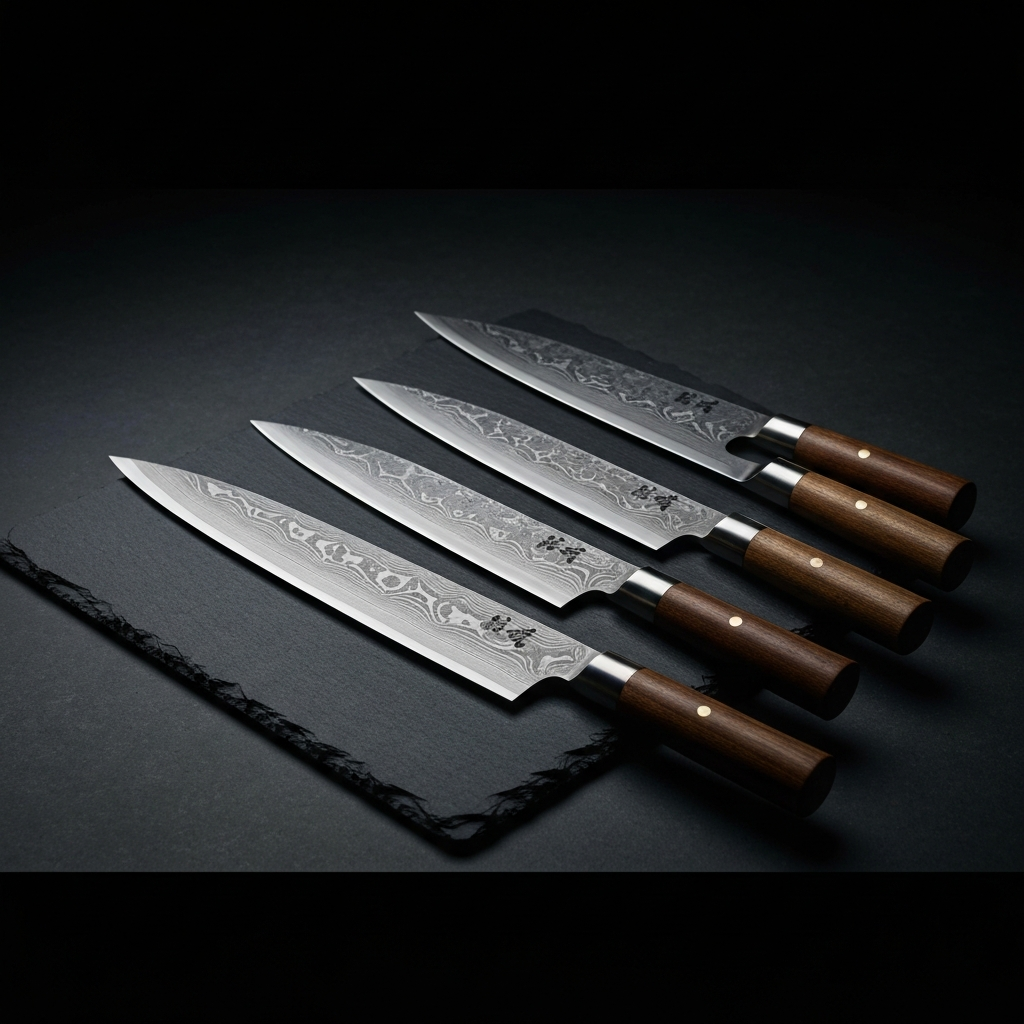
If you’ve ever watched a sushi chef glide through a fillet of tuna without a single ragged edge, you’ve seen what a genuine Japanese chef knife can do. That effortless cut isn’t magic — it’s centuries of metallurgy and hand-forging packed into a few inches of steel. The problem? Once you start shopping, you’ll find a flood of “Japanese-style” knives made overseas, wildly inconsistent pricing, and a dozen brand names that all claim to be the best.
This Japanese kitchen knife buying guide 2026 breaks down the best Japanese chef knife brands worth knowing, what separates a cheap Japanese chef knife from a cheapest Japanese kitchen knife bargain-bin knockoff, and exactly where to buy Japanese knives so you end up with something authentic rather than an import-store imitation. We’ll also cover realistic costs, shipping rules, and how to buy Japanese knives from Japan directly instead of paying inflated markups at a Western retailer.
TL;DR
As of August 2026, the cheapest way to buy an authentic Japanese chef knife is to shop Japan-direct through a proxy rather than a Western import store. Genuine brands like Global, Shun, Masamoto, and Sakai Takayuki cost far less at the source, where a proxy buys locally and ships worldwide.
Key Takeaways
- Authentic Japanese knives use hardened steels (VG-10, Aogami/Shirogami) forged in hubs like Sakai and Seki.
- Buying direct from Japan avoids Western retail markups.
- Beware “Japanese-style” knives made overseas—confirm the brand’s official origin.
- OneMall’s proxy commission is a flat ¥300 per item, with free consolidation on your first 6 orders (then ¥100 per extra order) with 90 days free after arrival (30 days after consolidation) after arrival (30 days after consolidation) storage.
Why Japanese Chef Knives Are Different
Japan’s cutlery regions — particularly Sakai in Osaka and Seki in Gifu — have forged blades for warriors and chefs for hundreds of years. More than 90% of the knives used by professional chefs in Japan still come from Sakai’s traditional bladesmithing workshops, a craft old enough that Japan’s Ministry of Economy, Trade and Industry recognizes it as a protected traditional industry[1]. That heritage is why an authentic Japanese knife feels different in your hand than a mass-produced Western equivalent.
The Steel Behind the Sharpness
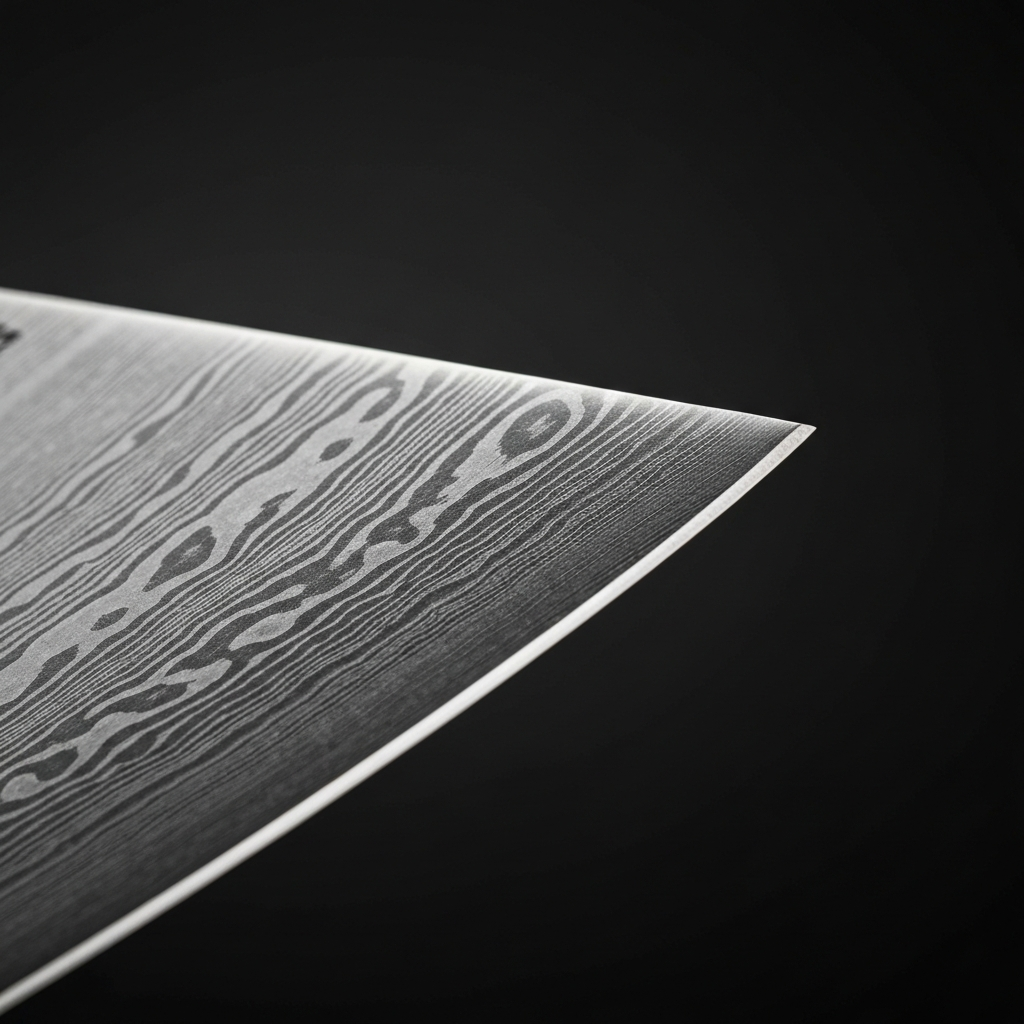
So what is the best Japanese steel for knives? It depends on the use case. High-carbon steels like Shirogami (White Steel) and Aogami (Blue Steel) sharpen to an incredibly fine edge but need more maintenance, while modern powdered steels like VG-10 and SG2 resist rust and hold an edge longer with less babying. Beginners generally do better with a rust-resistant alloy; serious home cooks often graduate to carbon steel for the sharpest possible edge.
Top Japanese Knife Brands to Know
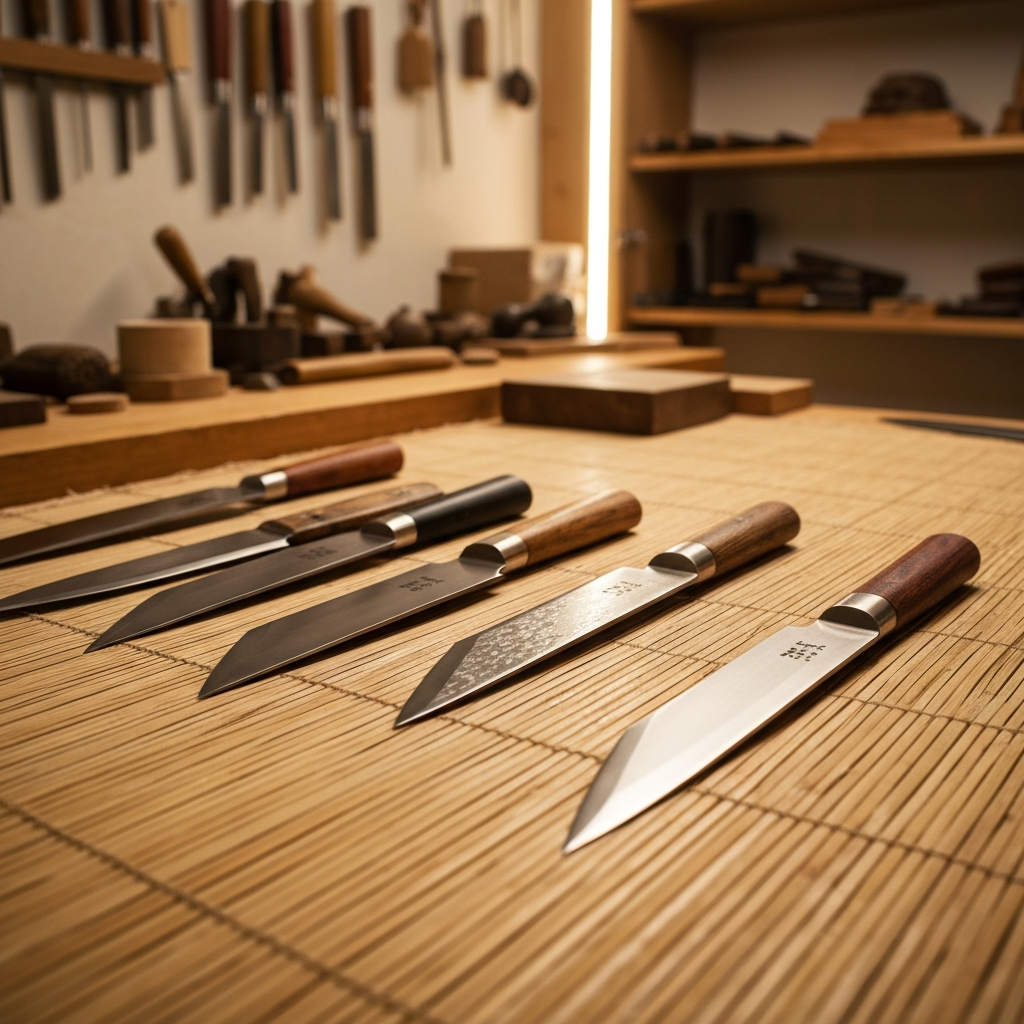
These are the names that consistently show up in any serious Japanese knife brands guide — legitimate manufacturers with real workshops in Japan, not marketing labels slapped on imported steel.
Global
Global knives, made by Yoshikin in Tsubame City, are instantly recognizable by their one-piece stainless steel handle and dimpled grip[2]. They’re a favorite starting point for home cooks moving up from Western knives because the balance feels familiar.
Shun
Shun knives, produced by the Kai Corporation in Seki, are known for Damascus-clad blades and a razor-thin V-shaped edge[3]. They sit in the mid-to-premium tier and are widely available through US retailers.
Miyabi
Miyabi knives are also forged in Seki, now under the German Zwilling Group, and are prized for intricate Damascus patterns and a traditional Japanese profile[4]. Some Miyabi series take over 100 production steps and 40+ days to complete.
Masamoto
Masamoto knives, from Masamoto Sohonten in Tokyo’s Asakusa district, date back to 1866 and are a benchmark for professional Yanagiba (sushi) and Deba (fish-butchering) knives[5]. This brand is favored by working sushi chefs rather than home cooks.
Yoshihiro
Yoshihiro knives are handcrafted in Sakai using techniques tracing back to 14th-century swordsmiths, and the brand has built a strong reputation with professional chefs worldwide[6].
Takayuki (Sakai Takayuki)
Takayuki knives, more formally Sakai Takayuki, represent one of the largest and most respected workshops in Sakai, offering everything from entry-level Damascus lines to art-grade hand-forged Honyaki blades[7]. It’s a great brand for genuine Sakai craftsmanship at a range of price points.
Aritsugu
Aritsugu knives come from a legendary Kyoto cutlery house dating back to 1560, originally founded as swordsmiths before transitioning to kitchen blades. Its Nishiki Market shop is a pilgrimage site for chefs visiting Japan, though stock and export options can be more limited than the larger Sakai and Seki manufacturers.
How Much Do Japanese Chef Knives Cost: Cheap vs. Cheapest vs. Best
Price is where buyers get confused, because “cheap” and “cheapest” aren’t the same search — and shouldn’t be treated as the same shopping goal.
- Cheap Japanese chef knife ($30–$70): Entry-level stainless Santoku or Gyuto knives from smaller Sakai or Seki workshops. Decent for home use, not built for decades of professional abuse.
- Cheapest Japanese kitchen knife (under $30): Usually mass-produced or “Japanese-style” knives made outside Japan — fine as a starter blade, not what you want if authenticity matters.
- Affordable Japanese chef knife ($70–$150): The sweet spot for most home cooks — genuine Sakai or Seki manufacturing, VG-10 or comparable steel, from brands like Global or entry Shun lines.
- Best Japanese kitchen knives / top Japanese knife brands ($200+): Hand-forged, often single-bevel, from Masamoto, Yoshihiro, Takayuki, or Aritsugu — the tier professional chefs actually use.
Where to Buy Authentic Japanese Knives from Japan
If you want the real thing rather than a Western retailer’s marked-up import, the deepest selection lives directly on Japanese marketplaces like Amazon Japan, Rakuten, and Yahoo Auctions Japan, where small Sakai and Seki workshops list knives you’ll never find on a US shelf. The catch: most of these sellers don’t ship internationally, and blades can trigger extra scrutiny with freight forwarders that aren’t set up to handle them properly.
That’s exactly the gap a proxy shopping service like OneMall is built for. OneMall’s Universal Shopping feature lets you buy from virtually any Japanese store — including Rakuten, Amazon Japan, and Yahoo Auctions — so you’re not limited to whatever a single retailer stocks. If you’ve spotted a knife style but don’t know the exact model, OneMall’s AI Image Search can help track down matching or similar blades across Japanese listings just by uploading a photo.
How to Buy Japanese Knives Online and Ship Them Internationally
Once you’ve found the knife you want, there are a few practical realities of how to buy Japanese chef knives online and get them home safely.
Customs and duty: Kitchen knives with a standard utilitarian blade are generally admissible for personal import into the US, but shipments now face customs tariffs and clearance regardless of declared value, so budget for that on top of the sticker price[8].
Shipping restrictions: Japan Post’s international shipping rules prohibit certain long-bladed weapons entirely, and bladed items generally need extra labeling and careful packaging to move smoothly through export and import screening[9]. A fragile, sharp, sometimes expensive item like a chef knife benefits from being packed by someone who does it constantly.
This is where a proxy service earns its keep beyond just placing the order. OneMall’s product inspection service lets a real person verify the blade arrived undamaged and matches the listing before it’s consolidated into your international shipment — genuinely useful for a knife, where a bent tip or chipped edge isn’t always obvious from a marketplace photo. OneMall also offers 90 days of free storage after arrival (30 days after consolidation), so if you’re picking up knives from multiple Sakai or Seki sellers over a few weeks, everything can land in one warehouse and combine into a single shipment. Consolidation is generous too: the first 6 orders combined into one shipment are free, with only ¥100 per additional order after that, and service fees across supported platforms start a flat ¥300 per item. From there, choose from multiple shipping carriers — EMS, DHL, ECMS, or Seamail — depending on how fast you need your knives to arrive.
Japanese Knife Brands at a Glance
| Brand | Origin / maker | Known for | Tier |
|---|---|---|---|
| Global | Yoshikin, Niigata | Seamless stainless, dimpled handle | Entry to mid |
| Shun | Kai, Seki | Damascus-clad VG-MAX, D-shaped handle | Mid to premium |
| Miyabi | Zwilling, Seki | German-owned, high-hardness steel | Premium |
| Masamoto | Tokyo | Traditional carbon-steel pro knives | Professional |
| Yoshihiro | Japan | Wide range, hand-forged options | Mid to premium |
| Sakai Takayuki | Sakai | Broad lineup from budget to hand-forged | Entry to premium |
| Aritsugu | Kyoto | Historic hand-forged carbon blades | Premium |
Frequently Asked Questions
What is the best Japanese chef knife for a home cook?
For most home cooks, a Gyuto (Japanese chef’s knife) in the $100–$180 range from a brand like Global or Shun offers the best balance of sharpness, edge retention, and low maintenance. Save single-bevel, carbon-steel knives from Yoshihiro or Takayuki for once you’re comfortable with regular honing and drying.
How much do Japanese chef knives cost?
Genuine Japanese kitchen knives typically range from about $30 for a basic entry-level blade to $300+ for hand-forged professional pieces from Masamoto, Aritsugu, or top-tier Takayuki lines. Anything advertised well under $20 is almost certainly not made in Japan.
Where can I buy authentic Japanese knives from Japan?
Amazon Japan, Rakuten, and Yahoo Auctions Japan carry the widest selection direct from Sakai and Seki workshops, but most don’t ship overseas. A proxy shopping service like OneMall can purchase on your behalf, inspect the item, and forward it internationally.
Is it cheaper to buy a Japanese knife directly from Japan?
Often yes — buying from Japanese marketplaces cuts out the import markup that Western retailers add, even after accounting for service fees, consolidation, and shipping. The savings are usually most noticeable on mid-tier and premium knives rather than the cheapest Japanese kitchen knife options.
How do I know if a Japanese knife is authentic?
Check that the brand has a real, traceable workshop in Japan (Sakai, Seki, Tokyo, or Kyoto are the major cutlery regions), look for consistent maker’s marks, and be wary of listings that use “Japanese-style” or “Japanese design” language instead of naming an actual manufacturer.
Looking for the makers themselves? Our Japanese knife brands guide lists 50-plus Seki, Sakai, Echizen, Tosa and Sanjo makers with live prices in Japan.
References
- METI-Kansai, Sakai City Traditional Crafts Museum. https://www.kansai.meti.go.jp/english/tvlist/kohyo/e115.html
- Yoshikin (Global Knives), official brand site. https://www.yoshikin.co.jp/en/
- Shun Cutlery, Kai USA official site. https://shun.kaiusa.com/
- Miyabi, Zwilling official site. https://www.zwilling.com/us/miyabi/
- Masamoto Sohonten, official site. https://www.masamoto-sohonten.co.jp/en/
- Yoshihiro Cutlery, official site. https://yoshihiroknives.com/
- Sakai Takayuki, official site. https://sakaitakayukiknives.com/
- U.S. Customs and Border Protection, traveling with a personal knife. https://www.help.cbp.gov/s/article/Article-1123
- Japan Post, nonmailable articles in international mail. https://www.post.japanpost.jp/int/use/restriction/index_en.html
Last updated: 2026-10-05.