
 Shopping Guide
 HELP / FAQs


 By onemall
TL;DR
As of August 2026, Japan shopping services fall into three types: official-store international shipping, forwarding services, and full proxy/buying services. Official shipping is simplest but narrow, forwarders need you to pay and check out yourself, and a full proxy like OneMall is the only type that reliably unlocks domestic-only sellers, auctions, and flea-market listings.
- Three service types — official-store shipping, forwarders, and full proxies.
- Official shipping — simplest, but only covers a curated subset of mainstream products.
- Forwarders — require you to complete the Japanese checkout and pay yourself.
- Full proxy — buys on your behalf; the only option for domestic-only sellers and auctions.
- OneMall — fees from ¥300 per item, 90 days free after arrival (30 days after consolidation) storage, first 6 orders consolidated free.
If you have ever fallen in love with a Japanese figure, a limited-edition sneaker, or a vintage game cartridge only to hit a wall at checkout that reads “this item cannot be shipped to your country,” you already know the core problem with shopping from Japan in 2026. The merchandise is world-class, but the path between a Japanese storefront and your front door is not always obvious. The good news is that there is now a clear ladder of solutions, each with its own strengths and trade-offs. This guide breaks down the three main types of Japan shopping services, explains who each one is for, and helps you pick the right one for what you actually want to buy.
Why Buying From Japan Is Harder Than It Looks
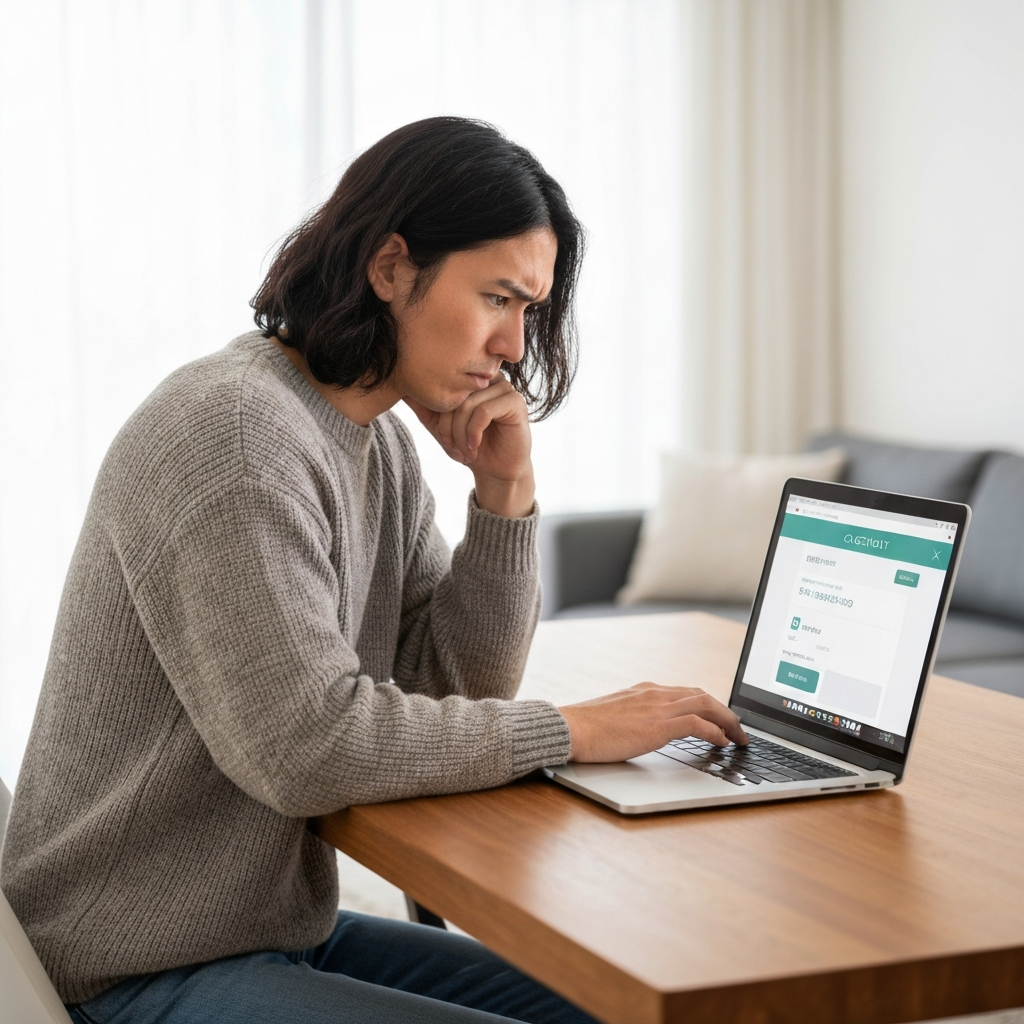
Japan is one of the largest and most distinctive e-commerce markets on the planet, and demand for its products keeps climbing among overseas buyers.[1] Yet a huge share of Japanese retailers and individual sellers simply do not ship internationally. Domestic-only checkout, Japanese-language sites, address verification that rejects foreign addresses, and seller policies that exclude overseas orders all conspire to lock out international shoppers.
On top of that, the rules around cross-border parcels keep shifting. The long-standing US duty-free de minimis threshold that once let low-value imports enter without duties was eliminated in 2025, so customs and duties now matter for a far wider range of orders.[2] On the Japanese side, outbound parcels are handled under Japan Customs export procedures as well.[6] Choosing the right kind of service is no longer just about convenience — it directly affects what you can buy and what you pay.
The Three Main Types of Japan Shopping Services
Almost every option available in 2026 falls into one of three categories. Understanding the differences is the single most important step before you spend a yen.
1. Official-Store International Shipping
Some large Japanese retailers and marketplaces offer their own international checkout. For example, Amazon Japan ships a selection of items abroad directly.[3] This is the simplest route: you pay one company, in one transaction, and the goods arrive.
The catch is coverage. Official international shipping is usually limited to a curated subset of products, rarely covers individual or second-hand sellers, and almost never extends to the niche shops, auction listings, and flea-market sellers where the most interesting Japan-exclusive items live. It is great when it works, but for most collectors and bargain hunters it only solves a fraction of the problem.
2. Forwarding Services
A forwarding service gives you a Japanese warehouse address. You buy from Japanese stores yourself — entering your own payment details on each site — and have everything shipped to that address. The forwarder then consolidates your parcels and reships them overseas, typically via carriers such as Japan Post’s EMS.[5]
Forwarders are a solid middle ground, but they assume you can complete the purchase on your own. That means you need a payment method the Japanese store accepts, the ability to navigate a Japanese-language checkout, and a seller willing to ship domestically. For platforms like Mercari, where many sellers and the checkout flow are domestic-only,[4] a forwarder alone often is not enough.
3. Full Proxy / Buying Services
A full proxy service (also called a buying or “daiko” service) does the entire job for you. You send a product link or an image; the service buys the item on your behalf using its own Japanese payment methods and address, receives it, and then ships it internationally. This is the only type of service that works for items that do not ship overseas at all — including individual sellers, auctions, and stores that reject foreign cards.
This is where OneMall sits, and it is why a full proxy is the most flexible choice for serious Japan shoppers.
Side-by-Side: Which Service Type Fits You?
| Service Type | Buys for you? | Works for domestic-only sellers? | Best for | Main limitation |
|---|---|---|---|---|
| Official-store shipping | N/A (direct) | No | Mainstream items from big retailers | Narrow product coverage |
| Forwarding service | No — you buy | Only if you can pay/checkout yourself | Buyers fluent in JP checkout with valid payment | You handle purchasing and payment hurdles |
| Full proxy (e.g., OneMall) | Yes | Yes | Auctions, flea markets, niche shops, anything Japan-only | A per-item service fee applies (¥300 on most marketplaces; from ¥200 on Yahoo Auctions and LinkBuy) |
Why a Full Proxy Wins for “Japan-Only” Items
If your wishlist is limited to mainstream products from a couple of major retailers, official shipping or a forwarder may be all you need. But the moment you want something from Yahoo Auctions, Mercari, Rakuten, Suruga-ya, or a small specialist shop, a full proxy becomes the practical choice — because it removes the two biggest blockers at once: the payment barrier and the domestic-only seller barrier.
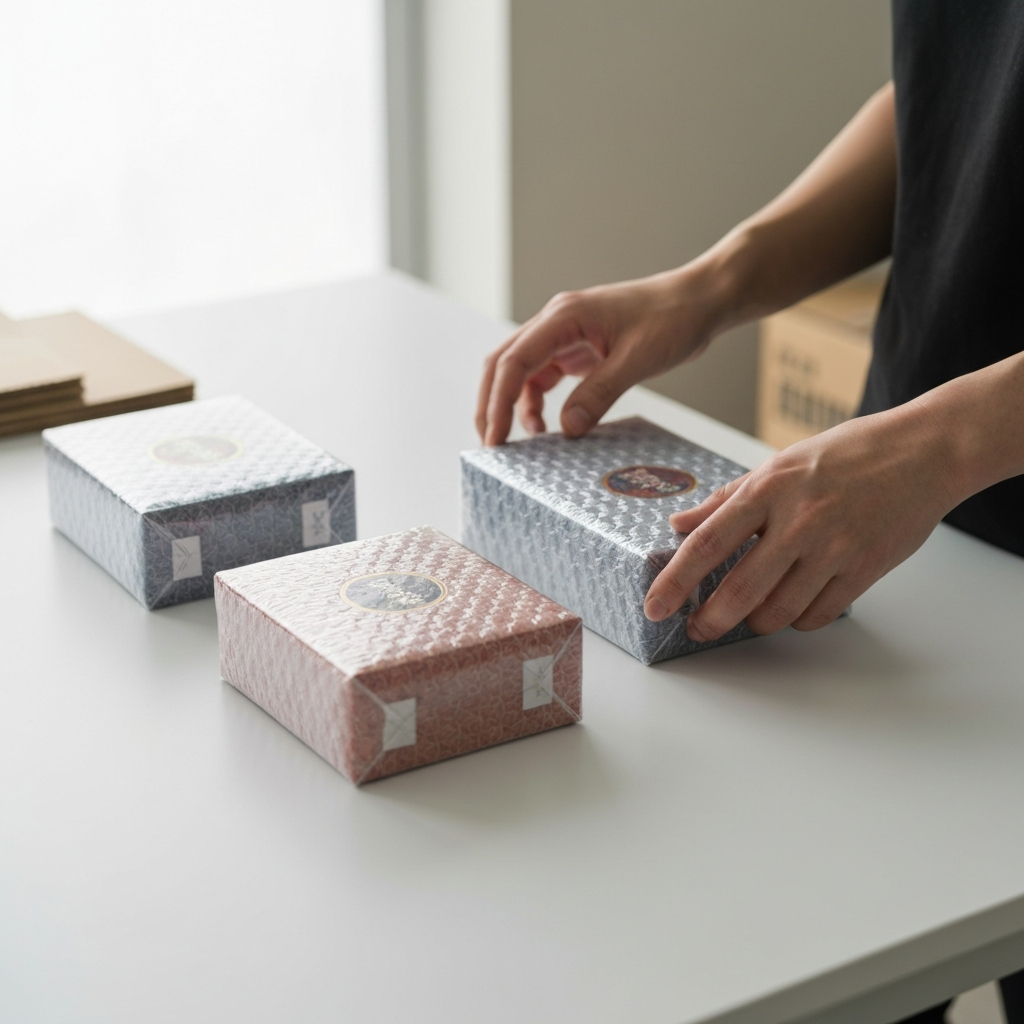
Here is what makes OneMall stand out among full proxy services on a factual, feature-by-feature basis:
- Transparent, low service fees — service fees a flat ¥300 per item, with clear per-platform pricing instead of vague markups.
- 90 days of free storage after arrival (30 days after consolidation) — hold items in OneMall’s warehouse while you wait for more purchases, then ship together.
- Generous consolidation — combining your parcels is free for the first 6 orders, and just ¥100 for each order beyond 6, which cuts international shipping costs substantially.
- A two-stage payment model — you pay the product price plus service fee first, then international shipping once your orders are weighed and consolidated, so you never overpay an estimate upfront.
- Multilingual support in English, Chinese, and Japanese, so language is never the thing that stops a purchase.
- Universal buying across Yahoo Auctions, Mercari, Amazon Japan, Rakuten, Suruga-ya, ZOZOTOWN, and Rakuma — effectively any Japanese store.
How to Choose in Three Quick Questions
Cut through the noise by asking yourself:
- Does the store ship to my country directly? If yes, and the price is fair, use official shipping.
- Can I complete the Japanese checkout and pay myself? If yes, a forwarder may suffice.
- Is the item from an auction, a flea-market seller, or a shop that blocks foreign cards? If yes, use a full proxy like OneMall — it is the only type that reliably gets these items to you.
For most international fans of Japanese collectibles, fashion, and games, the answer to that third question is “yes” more often than not — which is exactly why a full proxy is the smartest default in 2026.
Frequently Asked Questions
What is the difference between a forwarder and a proxy service?
A forwarder only gives you a Japanese address and reships parcels you have already bought yourself. A proxy service actually places the order on your behalf using its own payment and address, then ships it to you. Proxies work for sellers and stores that block international buyers; forwarders generally do not.
Why can’t I just buy directly from Japanese sites?
Many Japanese retailers and individual sellers ship domestically only, require a Japanese payment method, or run Japanese-language checkouts that reject foreign addresses. A full proxy service handles all of that for you.
Are proxy services more expensive than buying directly?
There is a service fee — with OneMall it is a flat ¥300 per item — but consolidation and free storage often offset it. By combining multiple orders into one shipment, you typically save far more on international shipping than the fee costs.
What does “two-stage payment” mean?
With OneMall you pay in two steps: first the product price plus the service fee, and later the international shipping once your orders are received, weighed, and consolidated. This avoids paying inflated shipping estimates before the real weight is known.
Do I have to ship each order separately?
No. OneMall offers 90 days of free storage after arrival (30 days after consolidation) and lets you consolidate parcels — free for the first 6 orders and ¥100 for each order beyond 6 — so you can collect several purchases and ship them together to save money.
The Bottom Line
Official-store shipping is the easiest option when it is available, forwarders are useful if you can buy and pay on your own, but a full proxy is the only service type that unlocks the entire Japanese market — including the auctions, flea-market listings, and specialty shops that never ship abroad. If you want the widest selection, transparent pricing, and a checkout that works in your language, start your next Japan haul with OneMall and get the items that other services simply cannot reach.
References
- JETRO (Japan External Trade Organization), Japanese market and e-commerce overview. https://www.jetro.go.jp/en/
- U.S. Customs and Border Protection, de minimis and duty guidance for imports. https://www.cbp.gov/trade/basic-import-export
- Amazon.co.jp, international shipping information. https://www.amazon.co.jp/
- Mercari, Japan’s largest C2C marketplace, official site. https://www.mercari.com/
- Japan Post, EMS and international parcel services. https://www.post.japanpost.jp/int/index_en.html
- Japan Customs, import/export procedures and duties. https://www.customs.go.jp/english/
Last updated: 2026-10-05.